

Ask ten people what beauty is, and you’ll get ten different answers. One person points to a sunset. Another points to a face. Someone else says it’s a feeling they get when their favorite song hits the right note. And honestly? They’re all correct.
So what is beauty, really? It’s one of those words we use every single day without ever stopping to define it. We call a dress beautiful, a person beautiful, a moment beautiful — yet the meaning shifts depending on who’s speaking and what they’ve lived through. That slipperiness is exactly what makes the question worth exploring.
In this guide, we’ll go past the dictionary version and look at what beauty actually means — how it’s defined, why beauty standards keep changing, whether beauty is truly “in the eye of the beholder,” and how inner and outer beauty work together. By the end, you’ll likely think about the word a little differently than you do right now.
The Simple Definition of Beauty (And Why It’s Not That Simple)
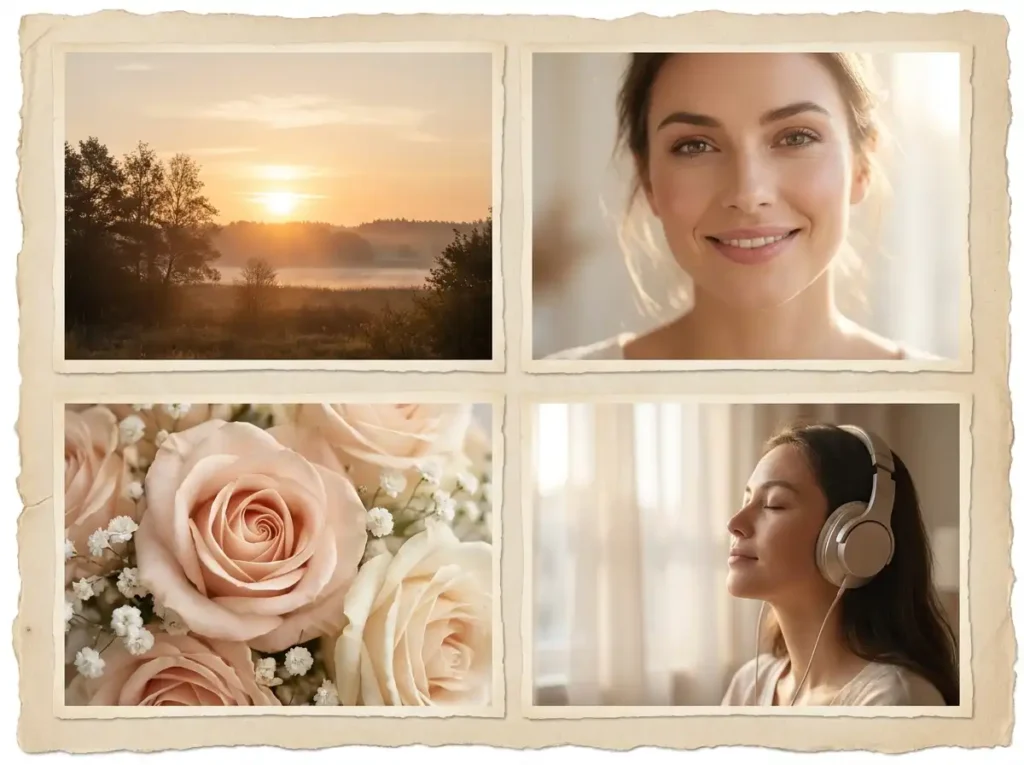
Let’s start with the textbook answer. Most dictionaries describe beauty as a quality in a person or thing that gives pleasure to the senses or the mind. In plain words, beauty is whatever makes us feel something good when we see it, hear it, or experience it. But the bigger question is: what defines beauty for different people and cultures?
That definition works fine on paper. The problem is that it tells us almost nothing about why a quiet morning, a kind stranger, and a striking face can all be called “beautiful” using the same word. Pleasure is the common thread — but pleasure means different things to different people.
Here’s a way to think about it. Beauty usually shows up in three forms, and most of us mix them together without realizing:
• Physical beauty — the way something looks. A face, a flower, a landscape, a well-designed room.
• Sensory beauty — beauty we hear, taste, or feel. A piece of music, a perfect meal, the warmth of sunlight on your skin.
• Emotional or inner beauty — the beauty we sense in someone’s character. Kindness, warmth, honesty, the way a person makes others feel.
Notice that only the first one has anything to do with appearance. That’s the first clue that beauty was never meant to live on the surface alone.
Is Beauty Subjective or Objective?

This is the question philosophers have been chewing on for thousands of years, and it’s probably the reason you typed “what is beauty” into Google in the first place. Is beauty a fact, or just an opinion?
The case for “beauty is in the eye of the beholder.”
You’ve heard the phrase a hundred times, and there’s real truth to it. What one culture finds gorgeous, another might walk right past. Your idea of a beautiful home, a beautiful voice, or a beautiful partner is shaped by your upbringing, your memories, and the place you grew up. Beauty, in this view, is deeply personal — it lives in the person looking, not the thing being looked at.
This is what people mean when they say beauty is subjective. There’s no universal scorecard. The painting that moves you to tears might leave your best friend cold, and neither of you is wrong.
The case for objective beauty
And yet, science keeps finding patterns. Researchers have noticed that certain traits — facial symmetry, clear skin, balanced proportions — tend to be rated as attractive across very different cultures. Some thinkers have even tried to pin beauty to mathematical ideas like the golden ratio, the same proportion that shows up in seashells, flowers, and famous architecture.
Our brains seem wired to enjoy harmony, order, and balance. That’s why a tidy room can feel calming and a chaotic one can feel stressful. So maybe beauty isn’t purely an opinion after all — maybe there’s a shared human instinct underneath all our personal taste.
So which is it?
The honest answer is: both. Beauty is partly built into how humans perceive the world, and partly written by our culture, our era, and our personal story. There’s a universal layer and a personal layer, stacked on top of each other. Once you accept that, the “subjective vs objective” debate stops feeling like a contradiction and starts feeling like the whole point.
What Are Beauty Standards — And Why Do They Keep Changing?
If beauty had one fixed definition, beauty standards wouldn’t exist. But they do — and they’ve never sat still for long.
Beauty standards are the unwritten rules a society uses to decide what counts as attractive at a given moment. Modern beauty standards in America are heavily shaped by media, celebrities, and social platforms. They cover everything: body shape, skin tone, hair, facial features, even posture. And here’s the part most people miss — these rules change constantly, often within a single lifetime.
A quick trip through history
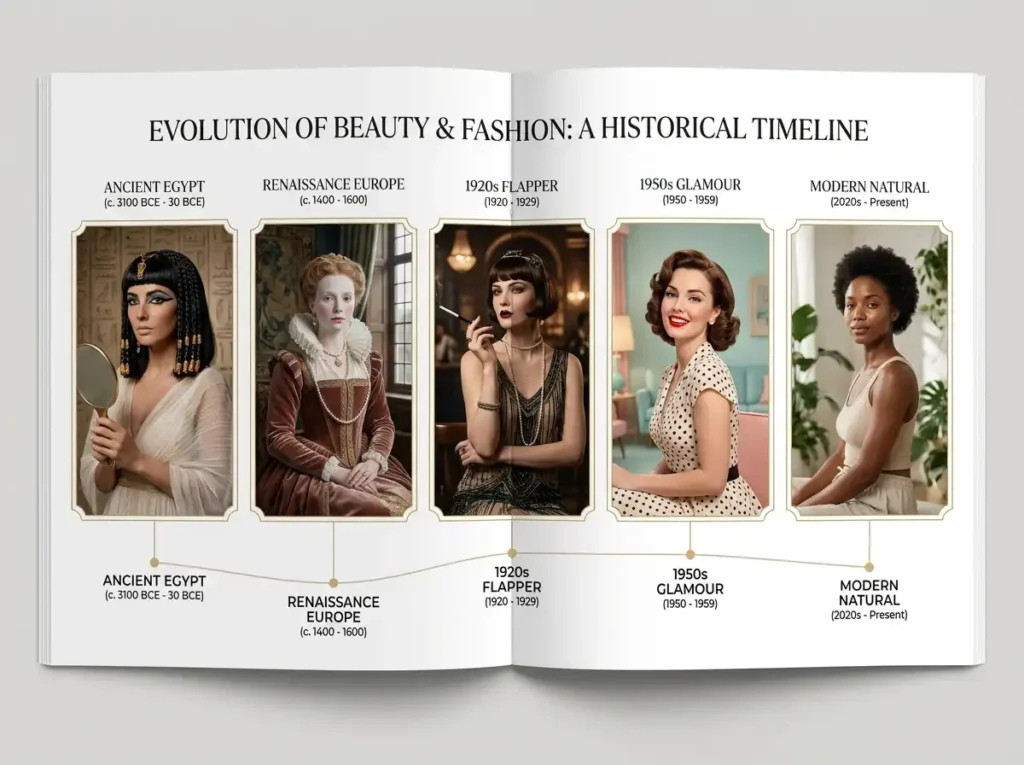
Look back across a few centuries and the “ideal” look flips again and again:
• Ancient Egypt celebrated symmetry, bold kohl-lined eyes, and elegant grooming for both men and women.
• Renaissance Europe admired fuller figures and pale skin, because they signaled wealth and a comfortable life.
• The 1920s flipped that completely — suddenly slim, boyish frames and short bobbed hair were the height of fashion.
• The 1950s brought back curves, red lips, and glamour.
• Today there’s a genuine tug-of-war between old “ideal” looks and a growing movement toward inclusivity, natural features, and individuality.
The takeaway is almost freeing: no matter your body shape or features, there has been a time and place in history where you would have been considered the absolute standard of beauty. The “flaw” you’re self-conscious about today may have been someone else’s dream a century ago.
Why standards shift in the first place
Beauty ideals don’t change randomly. They follow bigger forces — the economy, technology, gender roles, and politics. When food was scarce, fuller bodies signaled wealth. When media exploded in the 20th century, magazine covers started setting the rules for millions of people at once. And now, social media has sped the whole cycle up, pushing new “looks” every few months instead of every few decades.
That speed is exactly why so many people feel pressure today. The goalposts move faster than anyone can keep up with — which is a good reason to hold beauty standards loosely rather than treat them as truth.
Beauty Around the World: One Word, Many Meanings
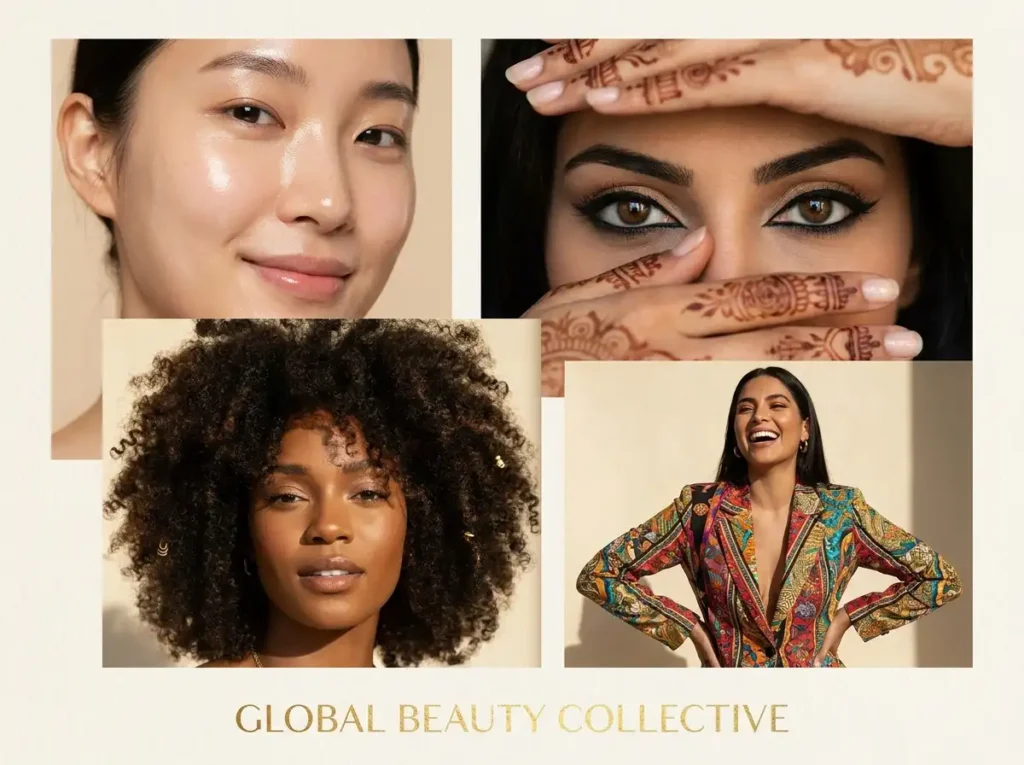
Travel across the globe and you’ll see just how flexible beauty really is. There is no single, worldwide definition — and that’s a beautiful thing in itself.
• In much of East Asia, smooth, luminous “glass skin” and soft, harmonious features are prized — a focus that has shaped the entire global skincare movement.
• Across many African cultures, natural hair, vibrant adornment, and a sense of vitality are celebrated as expressions of identity and pride.
• In Middle Eastern traditions, expressive kohl-lined eyes, strong brows, and henna art carry both aesthetic and cultural meaning.
• In Latin American cultures, confidence, presence, and curves are often seen as the heart of beauty.
Each of these isn’t “more correct” than the others — they’re different lenses on the same human idea. The East Asian focus on luminous skin, for instance, is exactly the philosophy behind the best Korean skincare products for glowing skin that have reshaped beauty routines far beyond Asia. Once you’ve seen how widely beauty varies, it gets much harder to believe any single standard is the “real” one.
The Science of Beauty: Why Our Brains Are Wired to Notice It
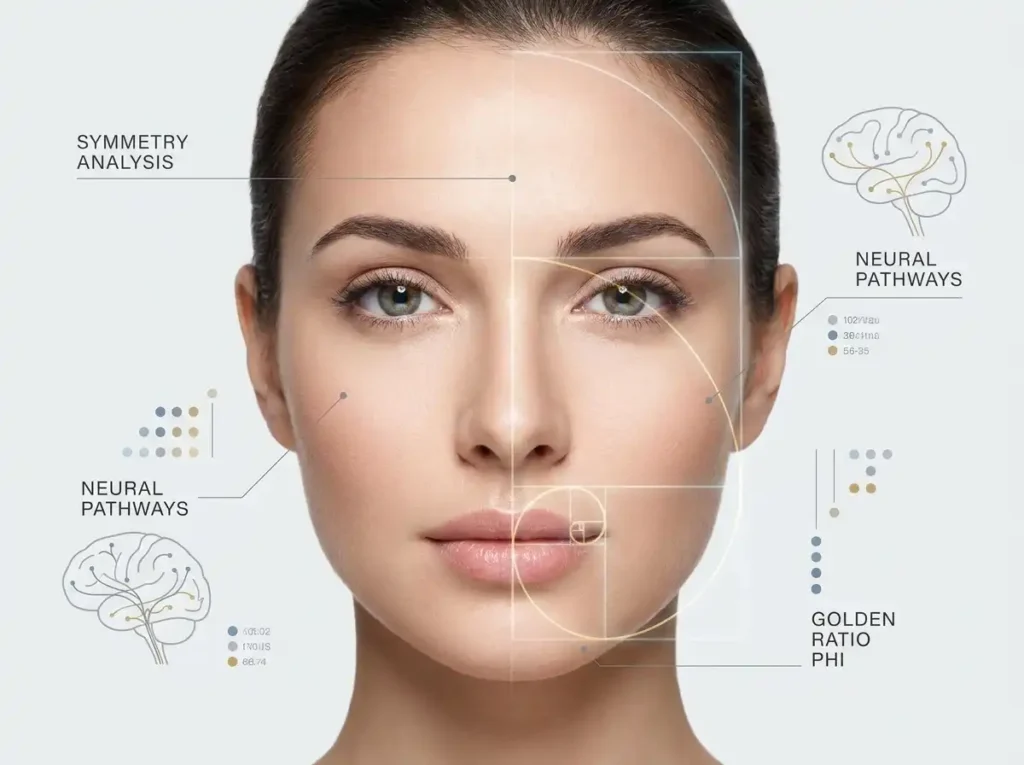
Beauty isn’t only a feeling — it leaves real fingerprints in the brain. When we see something we find beautiful, the reward centers of the brain light up, releasing a small hit of the same chemistry tied to other pleasures. In other words, beauty literally feels good, and that reaction happens faster than conscious thought.
Part of this comes down to processing. Our minds love things that are easy to take in — patterns, symmetry, smooth proportions. A symmetrical face or a balanced room is simply easier for the brain to “read,” and that ease registers as pleasure. It’s also why harmony in music or design feels satisfying while chaos feels draining.
The halo effect
There’s a well-documented quirk in human psychology called the halo effect. When we perceive someone as physically attractive, we tend to unconsciously assume they’re also kinder, smarter, or more trustworthy — even with zero evidence. It’s not fair, and it’s not accurate, but it shows how powerfully appearance shapes first impressions.
Understanding the halo effect is genuinely useful. It explains why outer beauty can open doors quickly — and why inner beauty has to be the thing that proves those first assumptions right. Looks may earn the benefit of the doubt, but character is what holds it.
Beauty as a survival signal
Evolutionary thinkers add another layer. Traits we read as beautiful — clear skin, bright eyes, healthy hair, symmetry — are often subtle signals of health and vitality. On some ancient level, our attraction to these cues may be the brain’s shorthand for “this is thriving.” It’s not the whole story of beauty, but it helps explain why certain features feel universally appealing across very different cultures.
Beauty in Art, Nature, and Everyday Life

It’s easy to forget that beauty was never only about faces and bodies. Long before beauty meant cosmetics, it meant the awe people felt standing under a night sky or in front of a great painting. This older, timeless perspective is often connected to the classic beauty meaning found in art and history. Widening the lens here actually makes the word easier to understand.
Think about how naturally we use “beautiful” outside of appearance. A piece of music can be beautiful. A mathematical proof can be beautiful to the person who understands it. A mountain range, a quiet act of generosity, a perfectly told story — all beautiful, none of them about looks. This is the version of beauty the great poets kept returning to, the idea that a thing of beauty brings a kind of lasting joy.
Nature may be the purest example. A forest, a coastline, the changing colors of autumn — these move people in every culture, in every century, without any need for explanation. That shared response is one of the strongest hints that beauty is woven into being human, not just into trends.
Why does this matter for your daily life? Because when you stop reserving the word “beautiful” for mirrors and magazines, beauty suddenly becomes abundant. It’s in your morning coffee, a good conversation, the light coming through a window. People who notice beauty in small, ordinary moments tend to feel richer in their lives — not because they have more, but because they see more.
Inner Beauty vs Outer Beauty: What Actually Makes Someone Beautiful
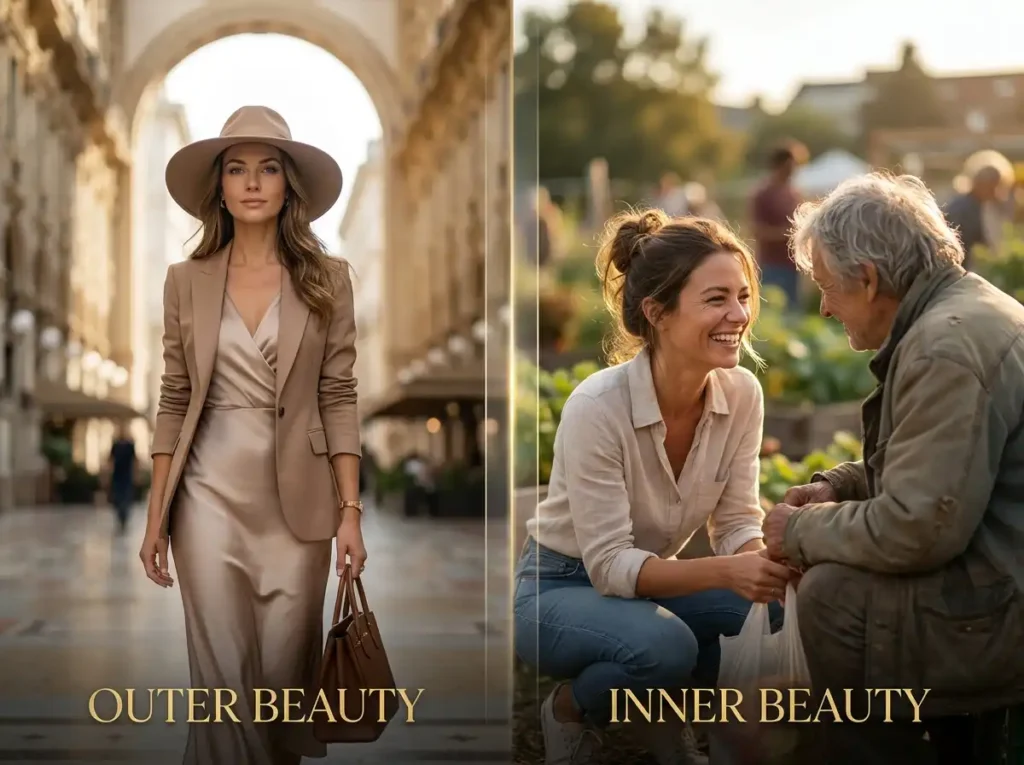
Here’s where the question gets personal. When we call a person beautiful, what do we really mean? Their face — or something harder to put into words?
Outer beauty is the part you can see: features, skin, hair, style, the way someone carries themselves. It’s real, it matters, and there’s nothing shallow about wanting to look and feel your best. Outer beauty often makes the first impression.
But inner beauty is what makes that impression last. It’s kindness, warmth, confidence, humor, honesty — the qualities that show up the moment a person opens their mouth or extends a hand. We’ve all met someone who seemed ordinary at first glance and grew more attractive by the minute as their character came through. That’s inner beauty doing its quiet work.
The interesting truth is that the two feed each other. When you feel good on the inside — calm, confident, kind — it changes how you carry yourself, and people pick up on it instantly. A genuine smile does more for your face than almost any product can. Outer beauty can open a door; inner beauty is what keeps people in the room.
And here’s the practical encouragement: caring for your appearance and building your character aren’t opposites. A consistent skincare habit, a little self-care, even a handful of simple everyday beauty tips for a natural glow — these support your inner glow rather than replacing it. The confidence of feeling fresh is part of what people read as beauty in the first place.
“Natural Beauty” and the Myth That Beauty Is Pain
Two phrases come up constantly in beauty conversations, and both deserve a closer look.
What does “natural beauty” really mean?
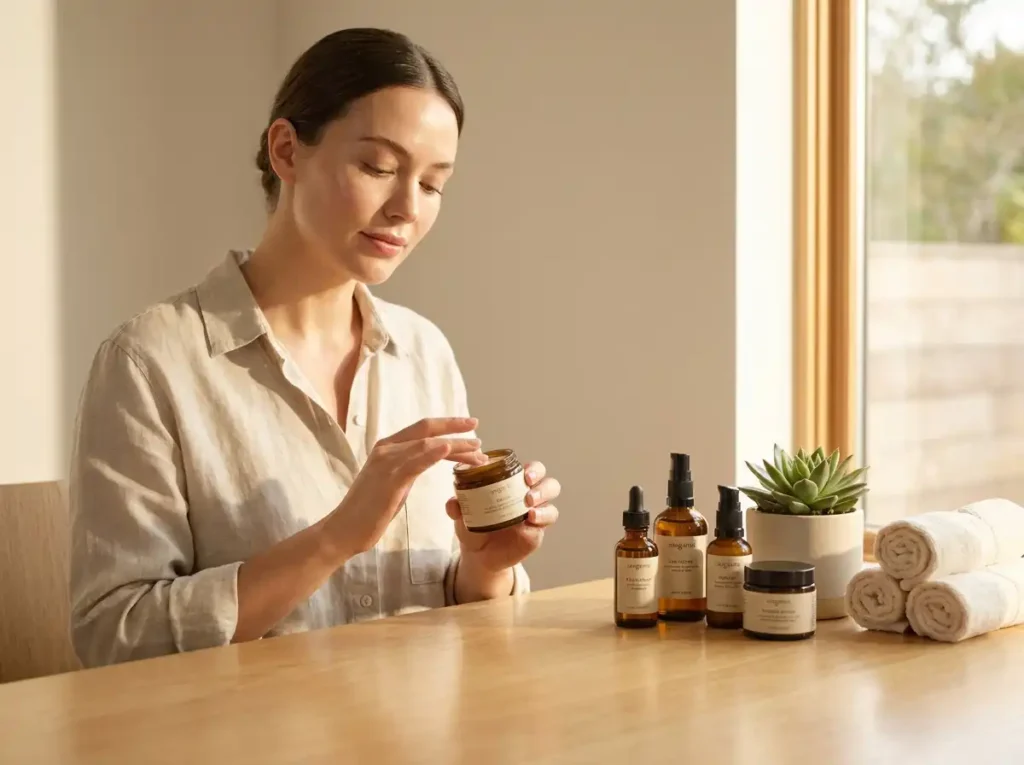
Natural beauty usually describes attractiveness that doesn’t depend on heavy makeup, filters, or dramatic enhancement. But it’s less about wearing nothing and more about looking like the best, healthiest version of yourself. Glowing skin, bright eyes, and an easy confidence read as “natural” because they come from genuine health and self-care. If dullness is your concern, learning how to brighten skin naturally often does more than any filter ever could. In simple terms, the natural beauty definition focuses on healthy, authentic features rather than heavy enhancement.
That’s good news, because natural beauty is something you can actually nurture. Sleep, hydration, sun protection, and a simple, consistent routine do more for your everyday glow than any single miracle product. If you’re building from scratch, a complete skin care routine for every skin type is the foundation everything else sits on.
Is beauty really “pain”?
“Beauty is pain” is one of those sayings that sounds wise but ages badly. It suggests that looking good has to mean discomfort — squeezing into something painful, skipping meals, suffering for an ideal. The phrase has roots in eras when beauty rituals genuinely were harsh.
But modern beauty is moving the other way. Real, lasting beauty comes from health, not punishment. If a routine leaves you exhausted, anxious, or hurting, it’s working against you, not for you. Gentle habits win in the long run — even small ones, like the right overnight skincare tips that work while you sleep, give your skin time to recover instead of demanding more from it. The most beautiful thing you can do for yourself is treat your body and mind with care, not war.
Common Myths About Beauty (That It’s Time to Drop)
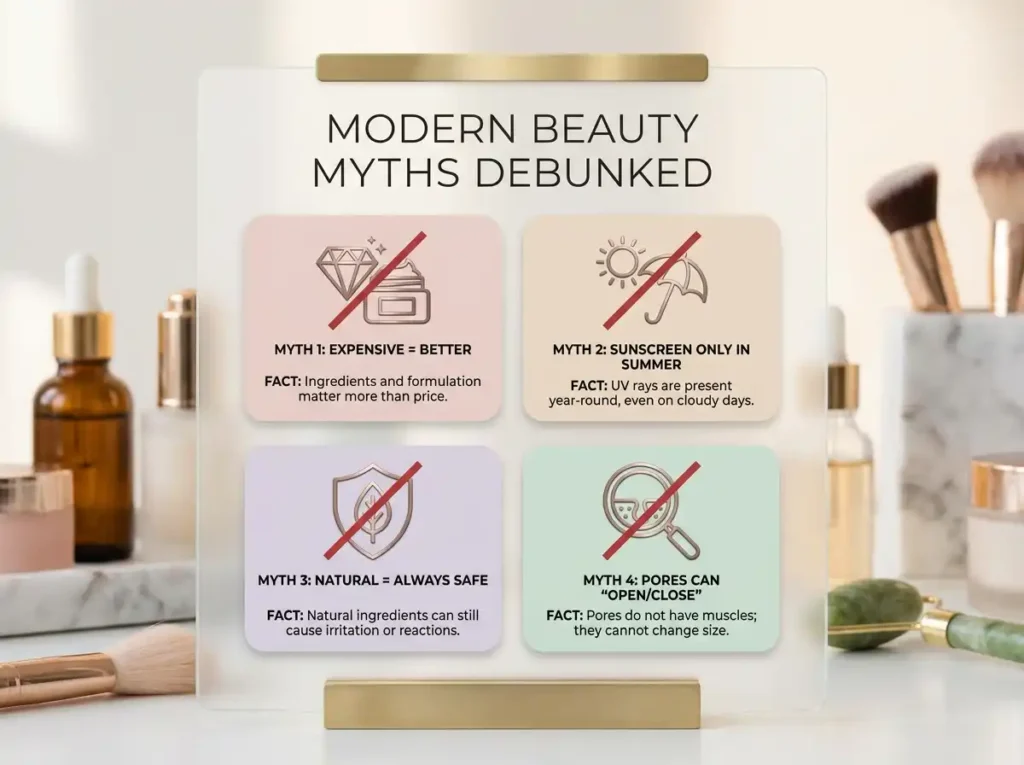
A lot of what we believe about beauty isn’t true — it’s just been repeated so often that it feels true. Clearing out a few of these myths makes the whole subject lighter to carry.
Myth 1: Beauty is only about your face
This is the biggest one. As we’ve seen, beauty lives in voices, gestures, kindness, art, and nature just as much as in faces. Reducing it to a single feature ignores almost everything that actually makes a person memorable. Your face is one chapter of your beauty, not the whole book.
Myth 2: There’s one “ideal” look everyone should chase
History proves this wrong on its own. The ideal has flipped from full to slim, pale to tanned, natural to sculpted, more times than anyone can count. Chasing a fixed ideal is like chasing the horizon — it keeps moving. The people who seem most beautiful are usually the ones who stopped chasing and started owning what they already have.
Myth 3: You need expensive products to be beautiful
The beauty industry is enormous, and it has every reason to convince you that the next product is the missing piece. But the basics — rest, water, sun protection, gentle consistency — outperform almost any luxury splurge. Beauty isn’t something you buy in a bottle; it’s something you support through everyday habits.
Myth 4: Aging means losing your beauty
This belief causes real anxiety, and it’s simply not accurate. Beauty changes with age — it doesn’t disappear. Confidence, warmth, and the comfort of being fully yourself often deepen over time. Plenty of people feel more genuinely beautiful in their forties and beyond than they ever did in their twenties, precisely because they stopped seeking approval.
How to Define Beauty for Yourself
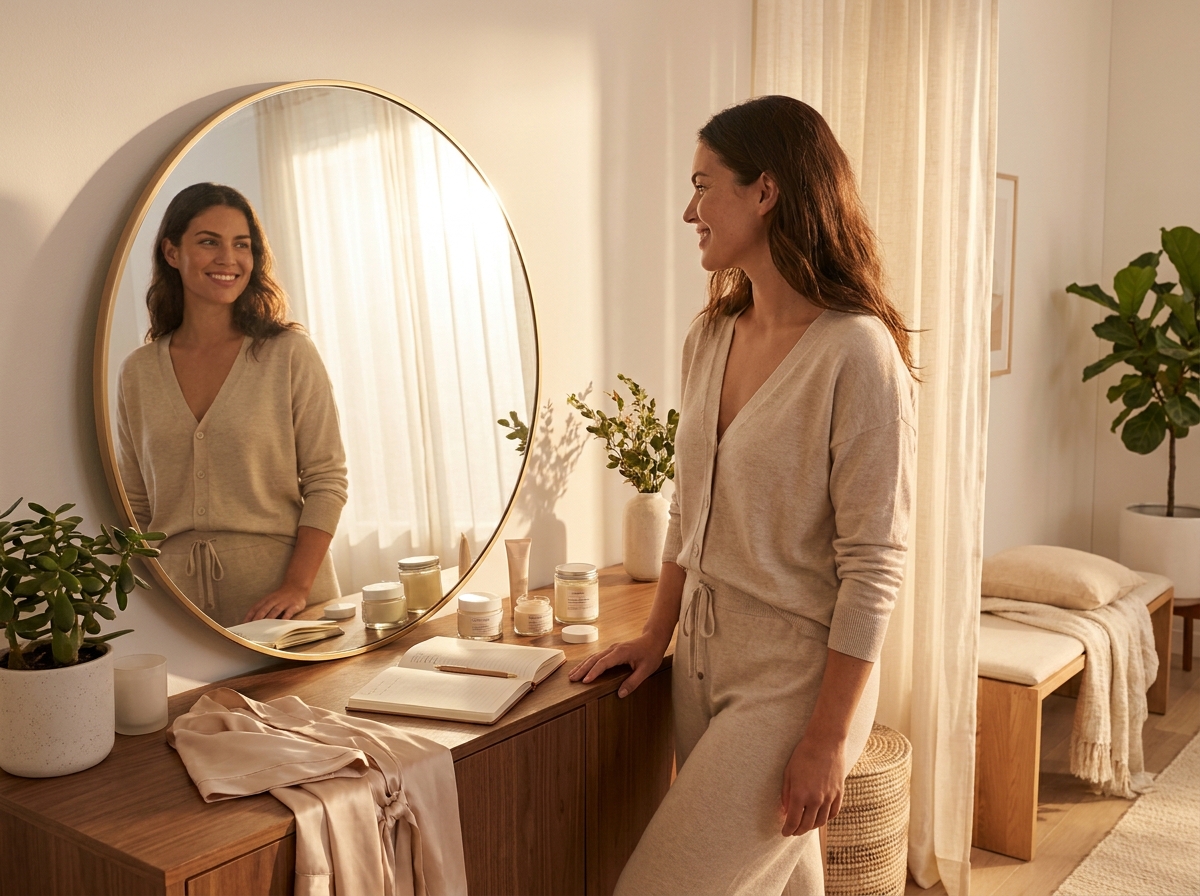
After all the history, science, and philosophy, here’s the part that actually matters in daily life: you get to decide what beauty means to you. Beauty standards are borrowed opinions. Your definition can be your own.
A few gentle shifts can change your whole relationship with the word:
• Notice beauty everywhere, not just in mirrors. A good laugh, a kind act, a clean morning sky — train your eye to catch beauty in ordinary moments and it stops being so scarce.
• Separate care from comparison. Look after your skin, hair, and body because it feels good — not because you’re trying to beat someone else’s photo. Even small seasonal adjustments, like these seasonal skincare tips for healthy, glowing skin, are about caring for yourself, not competing.
• Let confidence do the heavy lifting. The way you carry yourself often matters more than any single feature. Confidence is the most universally attractive trait there is.
• Be kind — to others and to yourself. Inner beauty isn’t a consolation prize. It’s the part of you that people remember long after first impressions fade.
Beauty, in the end, isn’t a checklist you pass or fail. It’s a way of seeing — and once you understand that, it stops being something to chase and becomes something you already have access to, every day.
Frequently Asked Questions About Beauty
What is the real meaning of beauty?
The real meaning of beauty is any quality in a person, place, or thing that gives genuine pleasure to the senses or the mind. It includes physical attractiveness, but it also covers things we hear, feel, and sense in someone’s character — which is why kindness, art, and a sunset can all be called beautiful.
Is beauty subjective or objective?
It’s both. Some elements of beauty — like symmetry, balance, and harmony — seem to be admired across nearly all cultures, suggesting an objective layer. But personal taste, culture, and experience shape what each individual finds beautiful, which is the subjective layer. The two work together.
Why do beauty standards keep changing?
Beauty standards shift with the economy, technology, media, and culture. What signals health or status in one era can fall out of fashion in the next. Social media has sped this cycle up dramatically, which is why ideals seem to change every few months today instead of every few decades.
Why do humans find certain things beautiful?
Our brains are wired to enjoy patterns, symmetry, and harmony because they’re easy to process, and that ease registers as pleasure. Many researchers also believe we’re drawn to signals of health and vitality, like clear skin and bright eyes. Beauty triggers the brain’s reward response, which is why it genuinely feels good to look at.
What is the difference between inner beauty and outer beauty?
Outer beauty is what you can see — features, skin, style, and grooming. Inner beauty is what comes from within — kindness, confidence, warmth, and character. Outer beauty often makes the first impression, while inner beauty is what makes that impression last.
What does natural beauty mean?
Natural beauty means looking like a healthy, well-cared-for version of yourself without relying on heavy makeup or filters. It comes mostly from good sleep, hydration, sun protection, and a simple, consistent skincare routine rather than from any single product.
Is the saying “beauty is pain” true?
Not really — and it’s a saying worth letting go of. It comes from eras when beauty rituals were genuinely harsh. Modern beauty leans the opposite way: real, lasting beauty grows from health and self-care, not from discomfort or punishment.
Final Thoughts: Beauty Is Bigger Than the Mirror
So, what is beauty? It’s a sunset and a smile. It’s symmetry and surprise. It’s the look of a person and the warmth of who they are. It’s partly universal, partly personal, and entirely too rich to fit inside a single dictionary line.
The most useful thing you can take from all of this is permission — permission to stop measuring yourself against standards that were always going to change anyway, and to define beauty in a way that actually fits your life. Care for yourself because it feels good. Be kind because it lasts. And let your confidence be the thing people notice first.
Ready to bring out your own natural glow? If you’re just getting started, our skincare routine for beginners walks you through it step by step — and you can explore the full Beauty section for more routines, guides, and ideas that help you feel beautiful inside and out.