

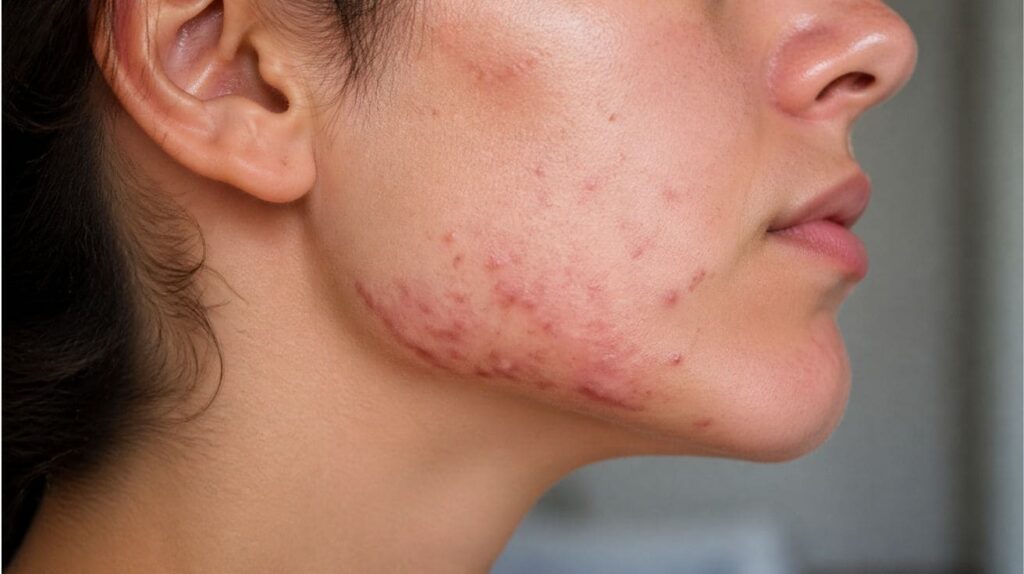
Jawline acne is a common skin issue, often appearing as painful bumps or pimples on the lower cheeks, jaw, and chin. It can be especially frustrating when other parts of the face remain clear. Understanding the causes, such as hormonal imbalances, poor diet, stress, and skincare habits, is crucial for effective treatment. This article explores the triggers of jawline acne and offers proven solutions for treatment and prevention.
What is Jawline Acne?
Jawline acne refers to acne that appears along the lower part of the face, specifically the jaw, chin, and neck. Unlike other forms of acne, jawline breakouts can often be linked to specific triggers, particularly hormonal changes. This type of acne can present itself as blackheads, whiteheads, papules, pustules, or even cystic acne — the latter being the most painful and difficult to treat.
While acne on the jawline shares similarities with other acne forms, it often requires a more targeted approach due to its specific causes. Recognizing what type of acne you have can help you choose the best treatment and avoid unnecessary products that may aggravate your skin.
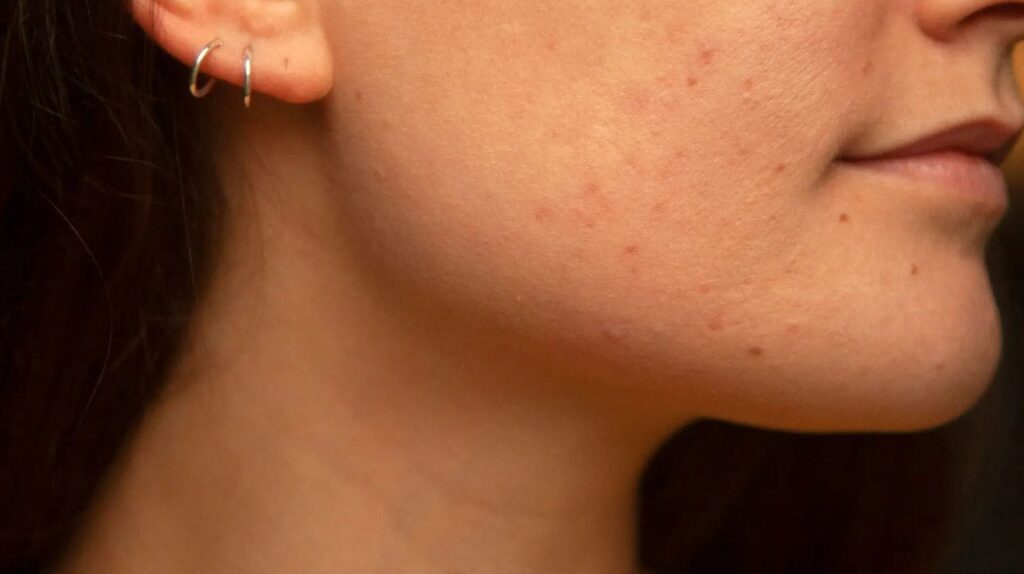
Quick Guide to Treat Jawline Acne
| Step | Action |
|---|---|
| 1. Cleanse Gently | Use a non-comedogenic cleanser to remove excess oil, dirt, and bacteria without drying out skin. |
| 2. Use Topical Treatments | Apply salicylic acid, benzoyl peroxide, or retinoids to target acne-causing bacteria. |
| 3. Moisturize Regularly | Choose an oil-free moisturizer to keep skin hydrated without clogging pores. |
| 4. Spot Treatments | Use benzoyl peroxide or sulfur directly on pimples to reduce inflammation and dry them out. |
| 5. Acne-Fighting Diet | Avoid high-glycemic foods and dairy. Eat foods rich in omega-3 fatty acids and zinc. |
| 6. Professional Treatments | Consider chemical peels, laser therapy, or microneedling if OTC treatments aren’t effective. |
Causes of Jawline Acne
Understanding the root causes of jawline acne is essential to treating and preventing it. Several factors can contribute to jawline breakouts, with hormonal fluctuations being one of the most common.
Hormonal Changes
One of the leading causes of jawline acne is hormonal imbalance. Hormones play a significant role in regulating the skin’s oil production. For example, during menstruation, pregnancy, or conditions like PCOS, hormone levels can fluctuate, leading to increased oil production. This excess oil can clog pores, leading to pimples on the jawline.
Stress & Lifestyle Factors
Stress is another key contributor. Elevated cortisol levels from stress can trigger breakouts along the jawline. If you’re experiencing stress from work, school, or other life events, your body releases hormones that can disrupt skin function and lead to jawline acne.
Skincare Products & Ingredients
Using harsh or comedogenic products that clog pores is another reason why people get acne along the jawline. If your skincare or makeup products contain pore-clogging ingredients, this can lead to breakouts, especially in areas where there is friction, like the jawline.
Friction and Acne Mechanica
Constant friction, such as from face masks, can also contribute to jawline pimples. Repeatedly touching the face or using the phone can introduce bacteria and oils to the skin, worsening acne.
The Science Behind Jawline Acne
Jawline acne is more than just a cosmetic issue; it’s a result of the skin’s biology and how it interacts with various factors. Acne forms when hair follicles become clogged with oil, dead skin cells, and bacteria. The skin’s sebaceous glands are responsible for producing oil, and when they become overactive, they can clog the pores on the jawline, leading to acne.
Hormonal changes that affect the sebaceous glands are often the most significant trigger. Testosterone, a hormone that influences oil production, is known to spike during puberty, menstruation, or pregnancy. This is why hormonal acne is particularly common on the jawline, as androgens (a group of hormones) stimulate the sebaceous glands to produce more oil.
How to Treat Jawline Acne: Step-by-Step Guide
Treating jawline acne requires a combination of proper skincare, lifestyle changes, and sometimes professional treatments. Below is a step-by-step guide to effectively treat and manage this condition.
1. Cleanse Gently
The first step to treating jawline acne is to cleanse your skin gently. Use a non-comedogenic (won’t clog pores) cleanser that won’t strip your skin of its natural oils. Cleansing helps remove excess oil, dirt, and bacteria from the surface of the skin.
2. Use Topical Treatments
Ingredients like salicylic acid, benzoyl peroxide, and retinoids are highly effective for treating jawline acne. Salicylic acid is great for unclogging pores, while benzoyl peroxide targets the bacteria that cause acne. For more persistent acne, retinoids (such as adapalene) help speed up cell turnover, preventing clogged pores.
3. Moisturize Regularly
Moisturizing is crucial, even if you have oily skin. Look for a light, oil-free moisturizer that hydrates without contributing to breakouts. Moisturizing helps maintain the skin’s barrier function and prevents over-drying, which can worsen acne.
4. Spot Treatments for Targeted Areas
For more severe acne, spot treatments can be effective. Apply treatments with benzoyl peroxide or sulfur directly to the pimple on your jawline. These products dry out pimples and reduce inflammation.
5. Acne-Fighting Diet
Some research suggests that certain foods may exacerbate jawline acne. Foods with a high glycemic index, such as sugary snacks and refined carbohydrates, can spike insulin levels, leading to an increase in sebum production. Dairy has also been linked to acne in some people. A balanced diet rich in omega-3 fatty acids, zinc, and antioxidants may help promote clearer skin.
6. Professional Treatments
If over-the-counter treatments aren’t effective, consider seeing a dermatologist. Options like chemical peels, laser therapy, or microneedling can help reduce acne and improve skin texture.
Prevention Tips
- Maintain Good Hygiene
Change pillowcases regularly and clean your phone screen to prevent bacteria transfer. - Stress Management
Practice yoga, meditation, or take breaks to reduce cortisol levels and prevent acne. - Choose Non-Comedogenic Products
Use skincare and makeup products free of pore-clogging ingredients. - Wear Comfortable Face Masks
Choose breathable, non-irritating masks to avoid acne caused by friction and sweating.
When to See a Dermatologist
In many cases, jawline acne can be treated with over-the-counter products. However, if your acne is persistent, severe, or causing scarring, it’s best to consult a dermatologist. A professional can prescribe stronger treatments, perform procedures like chemical peels, and provide guidance on managing hormonal acne.
FAQs
Q: Can stress cause jawline acne?
A: Yes, stress can lead to increased cortisol levels, which may trigger hormonal acne on the jawline.
Q: Does diet affect jawline acne?
A: Some studies suggest that high-glycemic foods and dairy may exacerbate acne. Maintaining a balanced diet can help manage breakouts.
Q: What is the best treatment for jawline acne?
A: Salicylic acid and benzoyl peroxide are effective treatments for jawline acne. For persistent acne, consider seeing a dermatologist for professional treatments.