

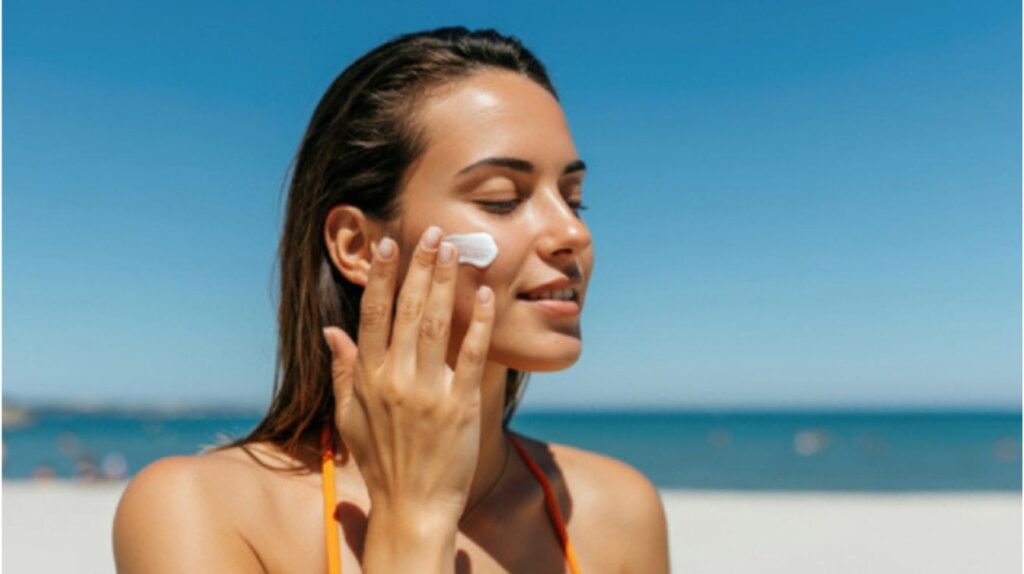
No, sunscreen doesn’t completely prevent tanning. It helps reduce the amount of UV rays that reach your skin, slowing down the tanning process, but it can’t block all UV exposure. While sunscreen can protect you from sunburn and skin damage, you may still get a tan, especially if you’re outside for long periods.
How Sunscreen Works (UVA vs UVB, Broad Spectrum)
Sunscreen is like a superhero for your skin. It helps protect your skin from harmful sun rays, but it doesn’t stop them all. The sun has different types of rays, mainly UVA and UVB. These rays can harm your skin, cause sunburn, and make your skin tan.
UVA Rays: These rays penetrate deep into the skin, leading to long-term damage. They are primarily responsible for premature aging, wrinkles, and the breakdown of collagen in the skin.
UVB Rays: These rays affect the outer layers of the skin, causing sunburn. Over time, prolonged exposure to UVB rays can also increase the risk of developing skin cancer by damaging skin cells.
When you use broad-spectrum sunscreen, it protects you from both UVA and UVB rays. But no sunscreen can block 100% of these rays, and that’s why you can still tan, even with sunscreen.

Why You Can Still Tan With Sunscreen ?
Even though sunscreen does a great job of protecting you, it can’t completely stop tanning. Here’s why:
When the UV rays hit your skin, your body produces something called melanin — a pigment that makes your skin darker. This is what we call tanning.
- Sunscreen can reduce the amount of UV rays your skin gets, which means you might tan slower or less than if you weren’t wearing sunscreen.
- But no sunscreen can stop melanin from being produced altogether. So, you might still get a little tan, just at a slower pace.
Does SPF Number Change Tanning?
You might have noticed that sunscreens come with different SPF numbers like 30, 50, and even 100. But does SPF really matter when it comes to preventing tanning?
Here’s the truth:
- SPF 30 blocks about 97% of UVB rays.
- SPF 50 blocks about 98% of UVB rays.
- SPF 100 blocks about 99% of UVB rays.
So, while higher SPF provides more protection, the difference in protection is small. Even with SPF 100, you might still tan a little. The important thing is to reapply sunscreen every 2 hours, especially if you’re sweating or swimming.
Best Ways to Prevent a Tan With Sunscreen
Sunscreen is only one part of the sun protection puzzle. To prevent a tan (and protect your skin), you should also do these things:
- Wear protective clothing like a hat and sunglasses.
- Seek shade when the sun is strongest (usually between 10 AM and 4 PM).
- Reapply sunscreen every 2 hours, even if you’re not swimming.
- Wear clothes with UPF (Ultraviolet Protection Factor) to block more UV rays.
- Avoid tanning beds — they can cause serious harm to your skin!
Myths vs Facts
There are many myths about sunscreen and tanning. Let’s clear them up:
- Myth: If I wear sunscreen, I won’t get tan.
Fact: Sunscreen helps slow down tanning but doesn’t prevent it completely. - Myth: A base tan will protect me.
Fact: A base tan does not protect you from sunburn or future damage. It’s just your skin reacting to UV rays! - Myth: SPF 100 will stop tanning.
Fact: SPF 100 only blocks about 99% of UVB rays, so you can still get a little tan.
Sunscreen Tips for Tanning Prevention
To get the best protection from the sun and minimize tanning, follow these simple tips:
- Choose the right sunscreen: Look for broad-spectrum sunscreen with SPF 50 or higher.
- Apply sunscreen generously: Use enough sunscreen to cover your skin completely, about a shot glass size for your body.
- Reapply every 2 hours: Sunscreen wears off, so make sure to reapply, especially after swimming or sweating.
- Use extra protection: Wear long-sleeved clothing, a hat, and sunglasses for added sun defense.
- Seek shade: Whenever possible, stay in the shade, especially during peak sun hours.
FAQs
Does sunscreen prevent tanning during summer?
Sunscreen helps protect your skin from harmful rays, but it can’t completely stop you from getting a tan.
Can SPF 50 reduce tanning?
Yes, SPF 50 helps block 98% of UVB rays, slowing down the tanning process.
What sunscreen prevents dark skin from tanning?
SPF 50 or higher can reduce tanning, but no sunscreen can stop it entirely.
Why do I still tan even with sunscreen?
Sunscreen reduces tanning, but melanin production can still occur when your skin gets some UV exposure.
Is SPF 100 effective in preventing tanning?
SPF 100 blocks more UV rays but won’t completely prevent tanning. It’s important to reapply sunscreen regularly.
Conclusion
Sunscreen doesn’t fully prevent tanning. It reduces the amount of sun damage, which means you might tan slower or less. However, it’s still important to use sunscreen because it helps protect your skin from sunburn, aging, and skin cancer.
To protect your skin and minimize tanning, wear broad-spectrum sunscreen, reapply it often, and combine it with other protective measures like UPF clothing and seeking shade.