


A pedicure is a foot care treatment that cleans, shapes, and maintains the toenails and skin on your feet. A standard session usually includes nail trimming, shaping, cuticle care, exfoliation, callus smoothing, moisturizing, and polish application. People choose this service for grooming, comfort, and smoother feet.
This guide explains how the treatment works, which options exist, what it may cost, and when a medical foot-care service is a better choice. It is written for readers who want clear, practical answers before booking.
What does the treatment include?
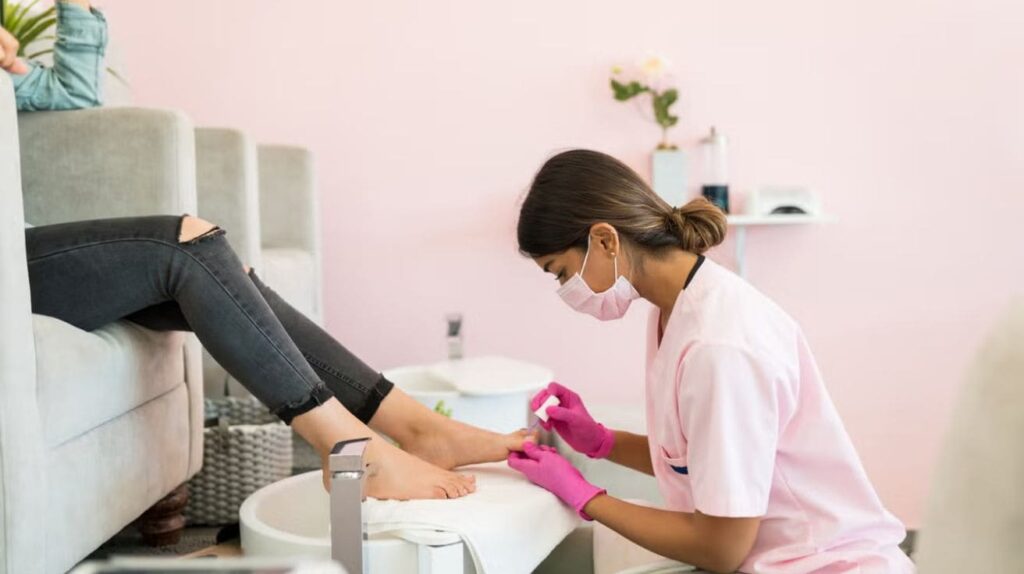
A standard salon session includes several steps that improve foot appearance and support routine nail care. Most technicians start by removing old polish and checking the condition of the nails and skin. They then trim the nails, shape the edges, and gently manage the cuticles. After that, the feet are soaked, exfoliated, and treated for rough skin or mild callus buildup. The appointment usually ends with foot cream, massage, and regular or gel color.
The exact process depends on the type of service. A classic option covers the basics. A spa version adds comfort features such as a scrub, mask, or paraffin wax. A gel finish focuses on longer wear. A medical approach focuses on foot health rather than cosmetic results.
What happens during a pedicure?
The process follows a clear step-by-step sequence. First, the technician cleans the feet and removes old color. Next, the toenails are cut and filed into shape. Then the cuticles are softened and tidied. Once the nails are prepared, the feet are soaked to soften the skin. Exfoliation removes dead skin cells, and a pumice stone or foot file smooths rough areas on the heels and soles. The service ends with moisturizer, massage, and polish if you want a cosmetic finish.
Each step has a practical purpose. Trimming reduces nail overgrowth. Filing creates a cleaner edge. Exfoliation reduces surface roughness. Moisturizer softens dry skin. Polish adds a finished look.
What are the main types?
The best option depends on your goal. Some people want basic maintenance, while others want longer-lasting color, deeper relaxation, or foot-health support.
Classic service
This is the standard salon option. It suits routine maintenance and basic toenail care. It usually includes trimming, shaping, cuticle care, light exfoliation, massage, and polish.
Spa service
This version adds relaxation and skin-softening features. It often includes a longer soak, scrub, mask, or paraffin wax. It works well for dry feet and for people who want a more comfortable experience.
Gel finish
A gel-based option uses polish cured under an LED or UV lamp. It lasts longer than regular color and resists chipping better. It suits people who want durable results with less maintenance between visits.
Express service
This is a shorter appointment. It covers essential grooming with fewer extras and suits people with busy schedules.
Medical foot-care treatment
This type focuses on foot health. It may suit people with thick nails, recurring calluses, pressure points, or sensitive feet. A trained professional performs the service. It does not replace medical diagnosis, but it is often a better fit than a beauty-focused salon visit when foot problems are present.
What are the benefits?
This treatment improves grooming, comfort, and maintenance. Clean, shaped toenails look neater. Exfoliation helps smooth rough skin. Moisturizer softens dry heels. Massage can add a relaxing element to the session.
Routine care also helps you notice changes earlier. Regular attention to the nails and skin makes it easier to spot discoloration, irritation, or changes in nail shape. That does not make the service medical, but it can support better personal care habits.
How much does it cost?
Pricing varies by service type, salon level, and location. A classic option usually costs less than a spa upgrade or gel finish. Add-ons such as French tips, nail art, paraffin wax, or gel removal can increase the total. A medical foot-care session often follows a different pricing structure because the focus is health support rather than cosmetic finish.
When comparing prices, check what is actually included. One salon may list a lower rate but exclude gel removal or callus care. Another may charge more but include longer treatment time, stronger hygiene standards, or more complete aftercare. Value matters more than the cheapest price.
How long does the result last?
The result depends on the polish type, footwear, and daily foot care. A regular finish usually shows wear sooner than a gel finish. Open shoes, long walks, and dry skin can also affect how neat the result stays. Many people book maintenance visits every few weeks, but the right timing depends on nail growth, skin dryness, and personal preference.
For longer wear, gel usually performs better. For simple maintenance, a classic service may be enough. The right choice depends on your routine and expectations.
How do you make it last longer?
Good aftercare protects the result. Let the polish dry fully before wearing closed shoes. Moisturize your feet daily to reduce dryness and rough heel buildup. Avoid picking at gel color. Do not scrape calluses aggressively at home. Use sandals or roomy shoes after the appointment when possible. With regular polish, a fresh top coat can help extend shine and reduce minor chipping.
Consistent foot care matters more than a single salon visit. Daily moisturizer, clean socks, and proper shoe fit support smoother skin and better nail appearance between appointments.
When should you avoid booking?
You should avoid a standard salon visit if you have open cuts, irritated skin, suspected fungal nail infection, swelling, or painful ingrown nails. In those cases, a podiatrist or qualified medical foot-care provider is the safer first step. People with diabetes, nerve sensitivity, or poor circulation also need extra caution because minor skin damage can become a larger problem.
A simple rule works well: if the issue hurts, bleeds, looks infected, or keeps returning, do not treat it as a beauty concern. Treat it as a foot-health concern.
How do you choose a hygienic salon?
Hygiene affects safety. Choose a salon that disinfects tools, cleans foot baths thoroughly, and explains its sanitation process clearly. The workspace should look clean and organized. Disposable items should not be reused. Staff should wash their hands and handle instruments carefully.
Read reviews with attention to cleanliness and hygiene, not only decor or color choices. Ask direct questions before booking. A quality business will answer clearly and confidently. Transparency is a strong trust signal.
FAQs
Is this service only for women?
No. It is routine foot and toenail care for any adult.
Can a salon visit remove severe calluses?
It can reduce mild surface buildup. Severe, painful, or recurring calluses need specialist assessment.
What is the difference between manicure and pedicure?
A manicure treats the hands and fingernails. A pedicure treats the feet and toenails.
Is a regular salon session the same as a medical one?
No. A beauty-focused service targets appearance and grooming. A medical version targets foot-health support.
Can you do this at home?
Yes. Home care can help maintain your feet between appointments, but safe technique and clean tools matter.