

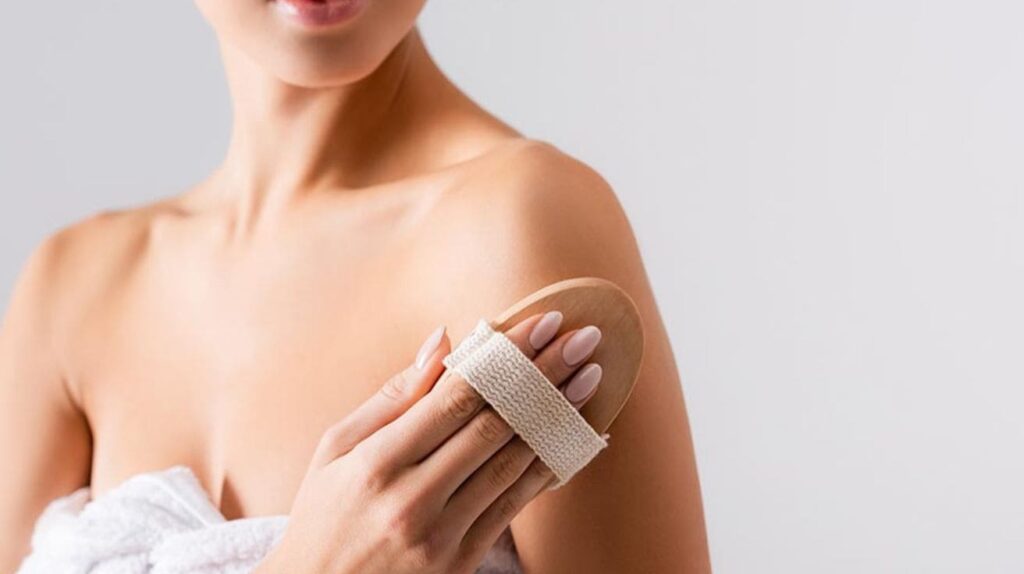
Achieving that perfect, glowing tan starts with exfoliation. Whether you’re prepping for a self-tan, spray tan, or natural sun exposure, exfoliating your skin beforehand is key to achieving a smooth, even result. Exfoliate 24-48 Hours Before Tan to ensure the best outcome.
What Exfoliation Really Does to Your Skin
The Science of Exfoliation
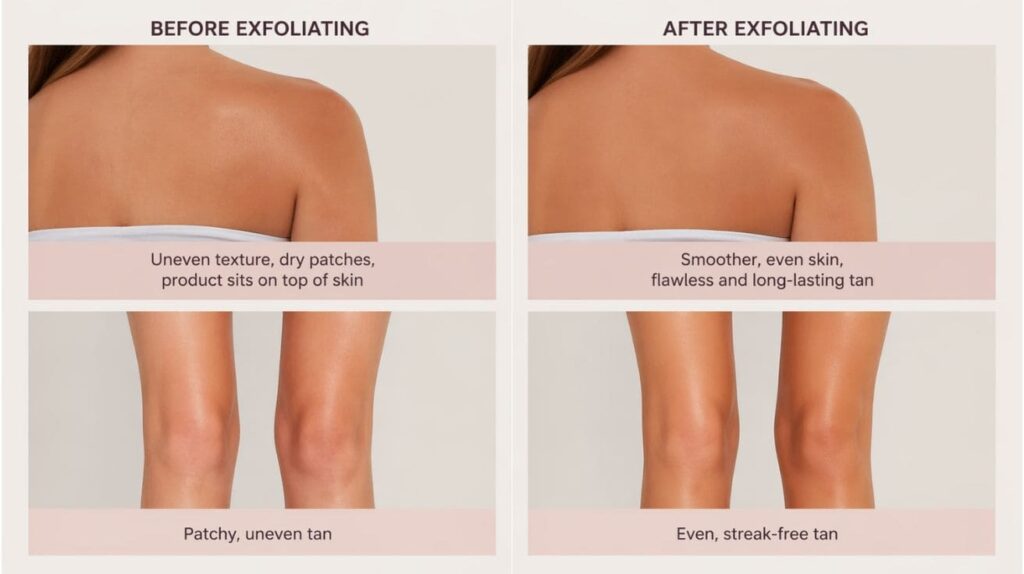
Exfoliating isn’t just about scrubbing your skin , it’s a process that removes dead skin cells, which can build up and make your skin appear dull and uneven. Exfoliation for tanning plays a significant role in making sure your tan goes on smoothly and lasts longer.
When you exfoliate, you are removing the top layer of dead skin cells, which allows the new skin underneath to breathe and absorb tanning products more evenly. This process helps tan absorption by ensuring there are no dead skin cells interfering with the application of self-tanner or spray tan.
Benefits of Exfoliating for Tan
- Smoother skin: After exfoliating, your skin feels soft and free of rough patches, which means your tan will appear even and natural.
- Longer-lasting tan: Exfoliation removes flaky skin, which could cause patches or uneven fading of your tan.
- Enhanced tan absorption: Whether you’re using a self-tanner or spray tan, exfoliating ensures that the tanning product can properly adhere to your skin, leading to a more even and lasting tan.
Exfoliating for Different Tanning Goals
Natural Tan vs Fake Tan: Different Goals and Effects
Whether you’re preparing for a natural tan or using self-tan, exfoliation is still an essential step. But the goals can be slightly different.
For Natural Tan:
When tanning naturally under the sun, exfoliating helps your skin absorb the sun’s rays more evenly. If you skip this step, you may end up with patchy sunburns or uneven tanning, especially in areas where dead skin builds up. Exfoliating before sun exposure allows for a smoother and more even tan without those unsightly streaks or dark spots.
For Fake Tan:
Exfoliating before a self-tan or spray tan is a must! Dead skin cells on your body can cause the tanning products to settle unevenly, resulting in streaks, blotches, or a patchy tan. By exfoliating before self-tanning, you can remove any rough patches, ensuring the product is applied smoothly, leaving you with a flawless and long-lasting tan.
The Best Tools and Routines for Exfoliation
Now that we understand why exfoliation is crucial, let’s talk about the best tools and routines to use for optimal results.
Physical Exfoliators
Exfoliating mitts, dry brushes, and exfoliating gloves are popular physical exfoliators. These tools work by manually scrubbing the skin to remove dead cells. They’re great for areas like elbows, knees, and feet, where skin can be rough and dry.
- Exfoliating mitts: Designed for easy use, these mitts are great for self-tan preparation, especially when you want to exfoliate larger areas of your body.
- Dry brushes: Known for their skin-smoothing effects, dry brushing is excellent for exfoliating before spray tans, as it stimulates circulation and helps the skin shed dead cells.
Chemical Exfoliators
If you prefer a gentler approach, AHAs (alpha hydroxy acids) and BHAs (beta hydroxy acids) are fantastic chemical exfoliants. They work by breaking down the bonds that hold dead skin cells together, making it easier for them to shed.
- AHAs (e.g., glycolic acid) are great for removing dead skin on the surface and are perfect for those with normal or dry skin.
- BHAs (e.g., salicylic acid) penetrate deeper into the pores, making them an excellent choice for acne-prone or oily skin.
DIY Natural Scrubs
If you prefer natural products, you can make your own exfoliating scrubs using ingredients like sugar, salt, or coffee grounds. These scrubs are gentle on the skin and effective at removing dead cells. Coffee scrubs, for example, are known to stimulate blood flow and help achieve a brighter, smoother tan.
Step-By-Step Exfoliation Routines
Knowing how to exfoliate before tanning is important to get the best results. Below are step-by-step routines for different types of tanning.
Before Self-Tan:
| Step | Action |
|---|---|
| Shower | Start with a warm shower to cleanse your skin. |
| Exfoliate | Use your chosen exfoliating product (physical, chemical, or DIY scrub). Focus on dry areas (elbows, knees, and feet). |
| Moisturize | Apply a light moisturizer after exfoliating to ensure smooth and hydrated skin. |
| Apply Self-Tanner | Once skin is dry, apply your self-tanner following the manufacturer’s instructions. |
Before Spray Tan:
| Step | Action |
|---|---|
| Exfoliate the Day Before | Exfoliate the day before your spray tan to avoid over-exfoliation. |
| Avoid Moisturizers or Oils | Skip moisturizers, oils, or deodorants on the day of your spray tan to prevent barriers to the tan. |
| Apply Tan Solution | After exfoliating, your skin is ready to absorb the spray tan more evenly. |
Post-Tan Exfoliation & Maintenance:
| Step | Action |
|---|---|
| Exfoliate Gently | After the tan fades, exfoliate gently to remove dead skin and extend your tan’s lifespan. |
| Avoid Patchy Areas | Keep exfoliating evenly to avoid patchy areas and maintain your tan’s freshness. |
Exfoliating for Different Skin Types
Each skin type requires a different approach when exfoliating for a tan.
Sensitive Skin:
If you have sensitive skin, use a gentle exfoliator like a dry brush or an AHA with a lower concentration. Avoid abrasive scrubs that could irritate your skin.
Dry Skin:
Dry skin tends to flake more, so exfoliating regularly helps to remove these flakes and prepare the skin for tanning. Look for a scrub that contains hydrating oils to nourish your skin while exfoliating.
Acne-Prone Skin:
For acne-prone skin, use salicylic acid (BHA) for gentle exfoliation. It helps to clean out the pores and prevents breakouts while ensuring your tan is even.
Darker Skin Tones:
People with darker skin tones should avoid harsh scrubs that might cause irritation. Instead, opt for chemical exfoliators like glycolic acid for a gentle yet effective exfoliation.
Common Mistakes to Avoid
Even though exfoliating seems straightforward, there are a few mistakes to avoid that can interfere with your tanning results.
Over-Exfoliation: Exfoliating too often can irritate the skin and cause dryness. Stick to exfoliating once a week before tanning. Wrong Timing: Don’t exfoliate right before applying self-tanner or getting a spray tan. Allow your skin to settle to avoid irritation. Using Oily Products: Avoid oils before applying self-tanner, as they can create a barrier, preventing even absorption and causing streaks.
Tips
Dermatologists recommend regular exfoliation to improve skin health by enhancing texture and tone. Exfoliating before self-tan prevents streaks and ensures an even application. For sensitive skin, use gentle exfoliators, and for oily or acne-prone skin, opt for chemical exfoliants to achieve smoother, clearer skin.
FAQs
Does exfoliating remove a tan?
Yes, exfoliating removes dead skin cells, which may cause your tan to fade, but it doesn’t completely strip it off unless done excessively.
How often should I exfoliate?
Exfoliate once a week before tanning for the best results. Avoid over-exfoliating, especially if you have sensitive skin.
Can I exfoliate after tanning?
Yes, post-tan exfoliation helps remove any fading or patchy areas. Just be gentle to avoid irritation.
What’s the best tool for exfoliating before tan?
Exfoliating mitts and dry brushes are some of the best tools for preparing your skin before tanning.
Exfoliation Timing Chart showing the best exfoliation schedules based on tanning method (sun, self-tan, spray tan). Includes guidelines for exfoliating before, during, and after tanning, along with helpful tips for each tanning method.