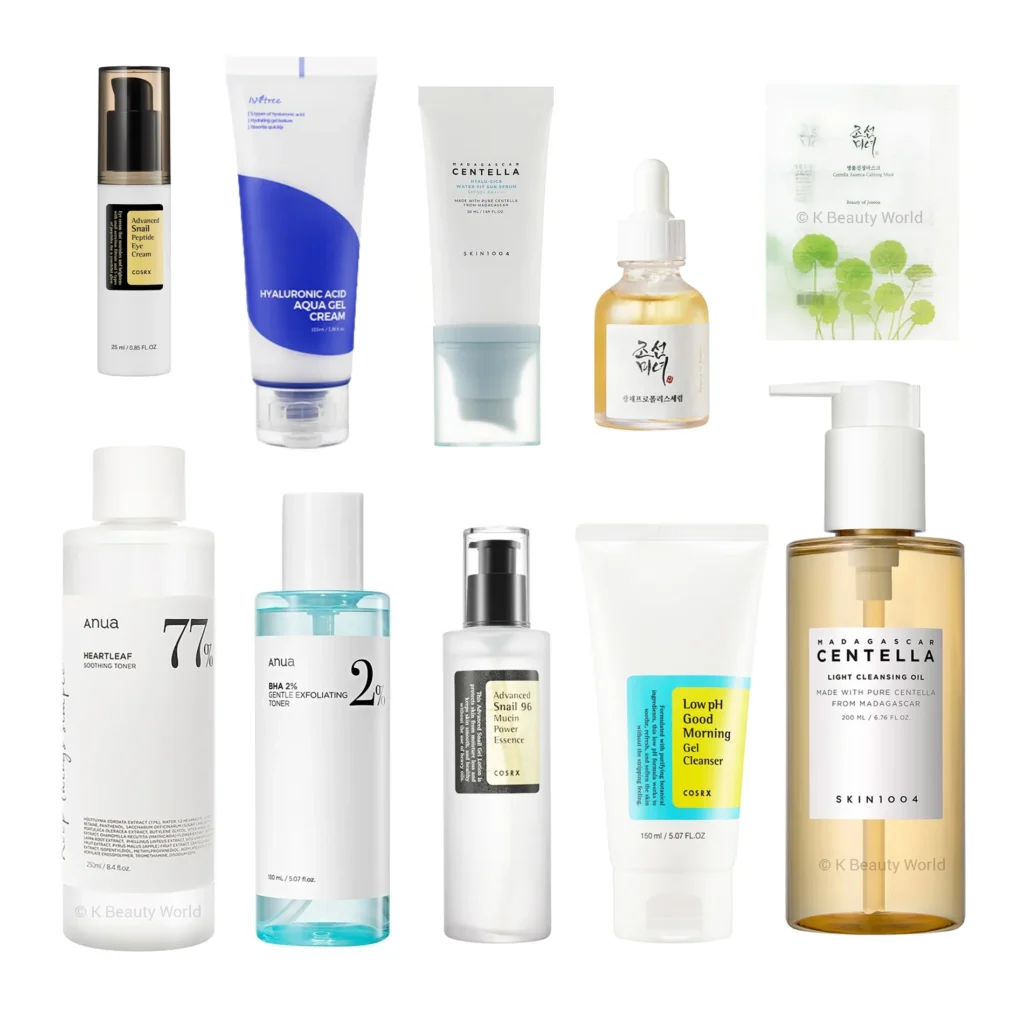

You should use exfoliate in a skin care routine after cleansing and before applying serums or moisturizers.
First, wash your face with a gentle cleanser to remove dirt, oil, and makeup. Then apply your exfoliator to remove dead skin cells and unclog pores. After exfoliating, continue with serums, treatments, and moisturizer to hydrate and protect the skin.
Most experts recommend exfoliating 2–3 times per week, usually at night, because exfoliation can make your skin more sensitive to sunlight. Always finish with moisturizer and sunscreen (during the day) to protect your skin barrier.
Understanding when to use exfoliate in skin care routine
Many people use exfoliators but still struggle with dull or irritated skin. The problem usually isn’t the product—it’s using it at the wrong step or too often. Understanding when to use exfoliate in skin care routine helps your skin absorb products better and maintain a healthy barrier.
Exfoliation removes dead skin cells that accumulate on the surface. These cells can clog pores, cause rough texture, and prevent skincare ingredients from penetrating effectively. Dermatologists explain that removing this buildup allows smoother, brighter skin to appear underneath.
But exfoliation only works when used correctly. The order of your routine, your skin type, and the type of exfoliant all affect the results.
What Is Exfoliation and Why It Matters
Exfoliation is the process of removing dead skin cells from the outer layer of the skin. Your body naturally sheds these cells every 30 days, but sometimes the process slows down, leading to dullness and clogged pores.
Benefits of proper exfoliation include:
- Smoother skin texture
- Improved product absorption
- Reduced clogged pores
- Brighter complexion
Exfoliation also helps speed up skin cell turnover, which keeps skin looking fresh and healthy. However, exfoliation must be balanced. Too much can damage the skin barrier and cause irritation.

When to Use Exfoliate in Skin Care Routine (Correct Order)
A proper routine allows exfoliating products to work effectively without irritating the skin.
Step 1: Cleanser
Start with a gentle cleanser. Cleansing removes oil, dirt, and sunscreen so exfoliating products can reach the dead skin cells more easily.
Step 2: Exfoliation
After cleansing, apply your exfoliant. Dermatology guides recommend exfoliating on clean skin so acids or scrubs can work effectively.
Step 3: Serums & Treatments
Once dead skin is removed, your skin becomes more receptive to treatment products like:
- Vitamin C
- Hyaluronic acid
- Retinol
Step 4: Moisturizer
Always follow exfoliation with moisturizer. Hydration helps protect the skin barrier and prevents dryness.
Morning vs Night Exfoliation
Exfoliation can be done in either the morning or evening, but nighttime is usually better.
Many chemical exfoliants increase skin sensitivity to sunlight, which is why dermatologists often recommend using them before bed.
Night exfoliation also works well because:
- Skin repairs itself overnight
- Products can absorb better
- There is less sun exposure
If you exfoliate during the day, always apply broad-spectrum sunscreen afterward.
How Often Should You Exfoliate
Frequency depends on skin tolerance and product strength.
General guidelines include:
- Normal skin: 2 times per week
- Oily or acne-prone skin: 2–3 times weekly
- Sensitive skin: once weekly
Dermatologists often suggest starting slowly. If your skin reacts with redness or burning, reduce usage.
Best Time to Exfoliate Based on Skin Type
Oily Skin
Oily skin often benefits from chemical exfoliants such as salicylic acid (BHA). These help unclog pores and reduce excess oil.
Dry Skin
Dry skin should use gentle exfoliants like lactic acid or enzyme exfoliants. Always follow with a rich moisturizer.
Sensitive Skin
Sensitive skin requires mild exfoliation. Avoid harsh scrubs and use low-strength chemical exfoliants once weekly.
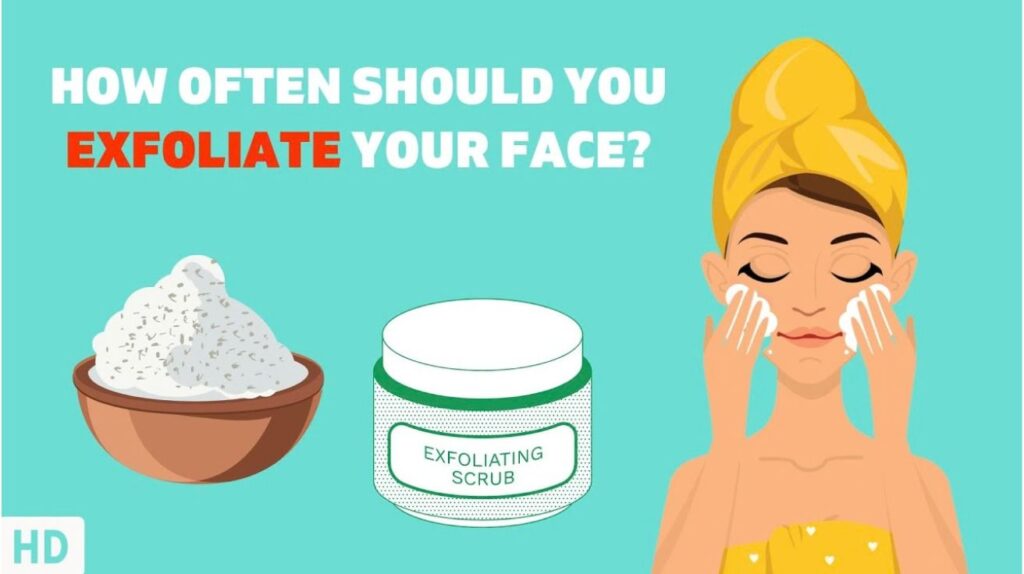
Chemical vs Physical Exfoliation
Two main types of exfoliation exist.
Chemical exfoliation
Uses acids such as:
- Glycolic acid (AHA)
- Salicylic acid (BHA)
- Lactic acid
These dissolve dead skin cells gently.
Physical exfoliation
Uses scrubs or tools to manually remove skin buildup.
Experts generally recommend chemical exfoliants for most skin types because they are more controlled and less abrasive.
Common Exfoliation Mistakes to Avoid
Even experienced skincare users make mistakes with exfoliation.
Avoid these errors:
- Over-exfoliating
- Using multiple exfoliating products at once
- Skipping moisturizer
- Not wearing sunscreen
These mistakes can damage the skin barrier and lead to redness or sensitivity.
Signs You Are Over-Exfoliating
Your skin may be exfoliated too often if you notice:
- Persistent redness
- Burning or stinging
- Dry patches
- Increased breakouts
If this happens, stop exfoliating for a few days and focus on hydration.
Expert Tips for Safe Exfoliation
Skincare professionals recommend a few simple habits:
- Start slowly with once-weekly exfoliation
- Choose products suited to your skin type
- Always moisturize afterward
- Wear sunscreen daily
Consistency matters more than intensity.
Conclusion
Learning when to use exfoliate in skin care routine can make a major difference in skin health. The best approach is simple: cleanse first, exfoliate second, then hydrate and protect the skin. With the right frequency and gentle products, exfoliation can reveal smoother, brighter skin without irritation.
Frequently Asked Questions
Q1.Should you exfoliate before or after cleanser?
Always cleanse first. Clean skin allows exfoliants to reach dead skin cells effectively.
Q2.Can I exfoliate every day?
Most dermatologists do not recommend daily exfoliation unless using very mild formulas.
Q3.Is chemical exfoliation better than scrubs?
For many people, chemical exfoliants are gentler and more consistent.
Q4.Can exfoliating cause acne?
Over-exfoliation can irritate the skin and worsen breakouts.
Q5.Should I exfoliate in the morning or night?
Nighttime is usually preferred because exfoliants can increase sun sensitivity.
Q6.Do I need moisturizer after exfoliating?
Yes. Moisturizer helps protect the skin barrier and prevent dryness.