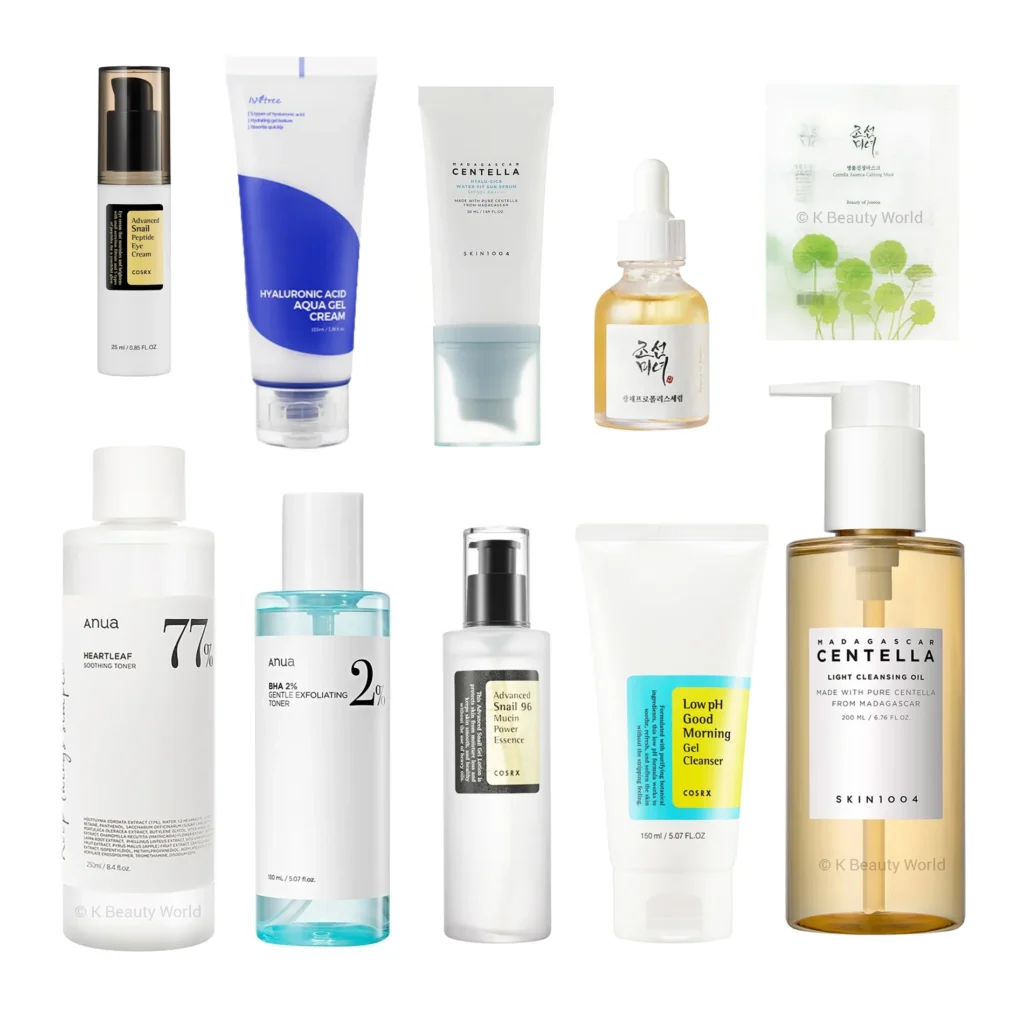
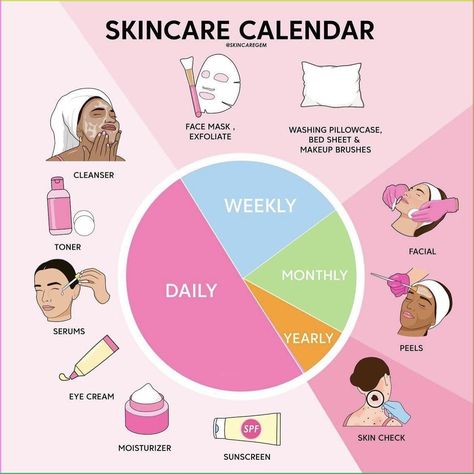
Seasonal skincare tips focus on adjusting your skincare routine according to weather changes. This includes hydrating more in winter, using sunscreen in summer, and balancing moisture to keep skin healthy all year round.
Your skin needs different care in every season, making seasonal skincare essential for healthy and glowing skin. Throughout the year, environmental factors like temperature, humidity, and exposure to sunlight affect the health of your skin.
The key to maintaining a healthy complexion is understanding the season’s impact on yourskin and adjusting your skincare plan accordingly.
Why Seasonal Skincare Matter
Your skin is highly sensitive to environmental changes. With every season, its needs fluctuate, making it essential to tailor your skincare regimen. Sticking to a single routine throughout the year can lead to problems like dryness, irritation, excess oil, or even breakouts. For example, cold winter air lacks moisture, causing your skin to become dry, while hot, humid summers can increase oil production and clog pores.
The impact of seasons on your skin goes beyond just external factors like temperature; internal factors such as heating and air conditioning, as well as the sun’s exposure, can change drastically. This means your skincare should adapt for maximum protection.
Seasonal Skincare Breakdown:
- Spring & Fall: These transitional seasons require a balance between hydration and exfoliation, as your skin adjusts to changing conditions.
- Winter: Cold air and indoor heating can dry out and irritate your skin.
- Summer: Humid weather and sweat can lead to clogged pores, sunburns, and excess oil.
Seasonal Skincare Tips for Summer
During summer, the hot, humid weather can challenge your skin’s health. Excess sweat, high temperatures, and increased sun exposure can lead to clogged pores, oily skin, and sunburns. Here are the essential summer skincare tips to keep your skin fresh, balanced, and protected:
Summer Skincare Essentials:
- Switch to Gel-Based Moisturizers: Opt for lightweight, water-based moisturizers that hydrate without feeling heavy.
- Broad-Spectrum Sunscreen: Apply sunscreen with an SPF of 30 or higher to protect against UV rays.
- Cleanse Regularly: Bathe twice daily to remove sweat, oil, and sunscreen residue.
- Stay Hydrated: Drink plenty of water to maintain skin moisture and health.
- Incorporate Antioxidants: Vitamin C helps fight sun damage and promotes skin repair.
- Cool Storage: Store your skincare products in a cool environment to maintain their efficacy.
Extra Summer Tips:
- Reapply sunscreen every two hours when outdoors.
- Wear protective gear like hats and sunglasses to minimize UV exposure.
- Avoid heavy makeup, as it can trap sweat and oils.
Summer Skincare Goal: The key is cleanliness, sun protection, and hydration without clogging your pores.

Seasonal Skincare Tips for Winter; Hydrate and Protect
Winter can be tough on your skin. Cold air, coupled with indoor heating, leads to dry, tight, and flaky skin. During this time, it’s crucial to focus on hydration, nourishment, and protection. Here’s how to protect your skin in winter:
Winter Skincare Must-Haves:
- Rich, Cream-Based Moisturizers: Switch to thicker moisturizers to lock in hydration.
- Hydrating Cleanser: Use gentle, hydrating cleansers that don’t strip away natural oils.
- Incorporate Serums: Add hydrating serums with hyaluronic acid or glycerin.
- UV Protection: Don’t skip sunscreen in winter. UV rays are still present and can damage skin.
- Indoor Humidifiers: Adding moisture to the air prevents your skin from drying out indoors.
- Hand Cream & Lip Balm: Regularly use these to combat dryness.
Winter Skincare Survival Tips:
- Apply moisturizer to damp skin to lock in hydration.
- Use facial oil over serums and moisturizers for extra nourishment.
- Keep your face covered from the cold with scarves.
- Avoid over-exfoliating, as winter skin is more delicate.
Winter Skincare Focus: Hydration and skin protection are crucial for preventing dryness, irritation, and damage.

Spring and Fall Skincare Tips: Transitioning with Balance
Spring and fall are transitional seasons that bring fluctuating weather. In spring, your skin is emerging from the dryness of winter, while in fall, it’s preparing for the harsh winter months. Balancing hydration, exfoliation, and protection is key during these seasons.
Spring Skincare Focus:
- Light Moisturizers: Gradually swap out heavier moisturizers for lighter formulas.
- Exfoliate: Incorporate mild exfoliants to remove winter dullness and reveal glowing skin.
- Add Vitamin C: Brighten your complexion and promote even skin tone.
- Watch for Allergies: Spring allergens can cause redness and irritation.
Fall Skincare Focus:
- Repair Sun Damage: Begin treating summer sun damage with niacinamide or retinol.
- Switch to Richer Products: As the weather cools, start introducing heavier moisturizers.
- Focus on Hydration: Prepare for winter by maintaining moisture levels.
- Keep Using Sunscreen: UV rays are still strong in autumn, so daily sunscreen is a must.
Spring and Fall Goal: These are the perfect seasons to reassess your skincare products and gradually introduce new treatments to meet changing needs.
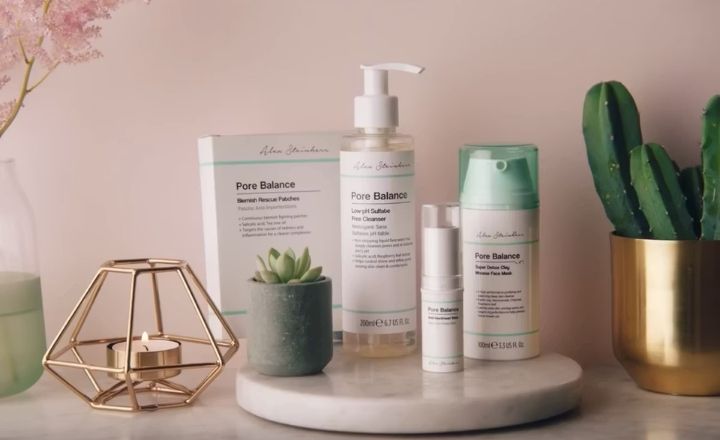
Timeless Skincare Practices for Every Season
Consistent seasonal care improves skin texture, glow, and long-term health naturally. Regardless of the season, there are a few universal skincare practices that benefit your skin year-round. Here are the essential skincare habits for healthy, glowing skin:
Daily Skincare Basics:
- Gentle Exfoliation: Exfoliate once or twice a week, depending on your skin type, to remove dead skin cells.
- Cleanse Regularly: Wash your face both morning and night to remove impurities.
- Never Skip Sunscreen: Sunscreen is your best defense against premature aging and UV damage.
- Stay Hydrated: Drinking water helps your skin maintain moisture and elasticity.
- Get Enough Sleep: Restorative sleep allows your skin to repair itself naturally.
- Eat a Balanced Diet: Incorporate fruits, vegetables, and healthy fats to support skin health.
- Manage Stress: Avoid stress to prevent skin issues like breakouts or irritation.
Skin Type-Specific Seasonal Tips
Oily Skin:
- Summer: Use oil-free, mattifying products to control shine.
- Winter: Keep your skin hydrated with lightweight moisturizers that won’t clog pores.
Dry Skin:
- Summer: Layer hydrating serums beneath light moisturizers for extra moisture.
- Winter: Opt for rich, nourishing moisturizers and oils to combat dryness.
Combination Skin:
- Summer: Balance hydration and oil control with lightweight formulas.
- Winter: Use water-based products only where necessary to maintain hydration.
Sensitive Skin:
- Always: Stick to non-scented, gentle products and introduce new ones gradually to avoid irritation.

FAQ’s
- Should I alter my whole skincare regimen seasonally?
No, just adjust key products like cleansers, moisturizers, and serums to match the season. - Can I use the same moisturizer year-round?
Yes, as long as your skin feels comfortable with it. - Do I need sunscreen in winter?
Yes, UV rays are present year-round and can damage your skin. - How often should I exfoliate?
Once or twice a week, and less frequently in winter to avoid irritation.

Hi, I’m Elizabeth Carter , the writer and creator behind Fashion Story Lane.
I launched Fashion Story Lane in 2025 as a dedicated space for women who love authentic, practical fashion and beauty advice rooted in real experience.
I have been writing about fashion and beauty for over 30 years. In that time, I have personally tested hundreds of skincare products, practiced Arabic and bridal mehndi on real clients, and reviewed fashion trends across South Asian and Western styles. Everything I publish on this site is something I have either tried myself or researched thoroughly before recommending.
When it comes to skincare, I always cross-check my advice with dermatologist guidelines because I believe your skin deserves accurate information , not just popular opinions. For mehndi, I draw from 10+ years of hands-on practice with different henna cones, designs, and techniques.
I am not a doctor or a certified dermatologist. But I am someone who has spent years learning, testing, and writing about these topics , and I always tell you what I genuinely believe, not what sounds good.
If you have a question about any article on this site, you can reach me through the contact page. I read every message personally.
Elizabeth