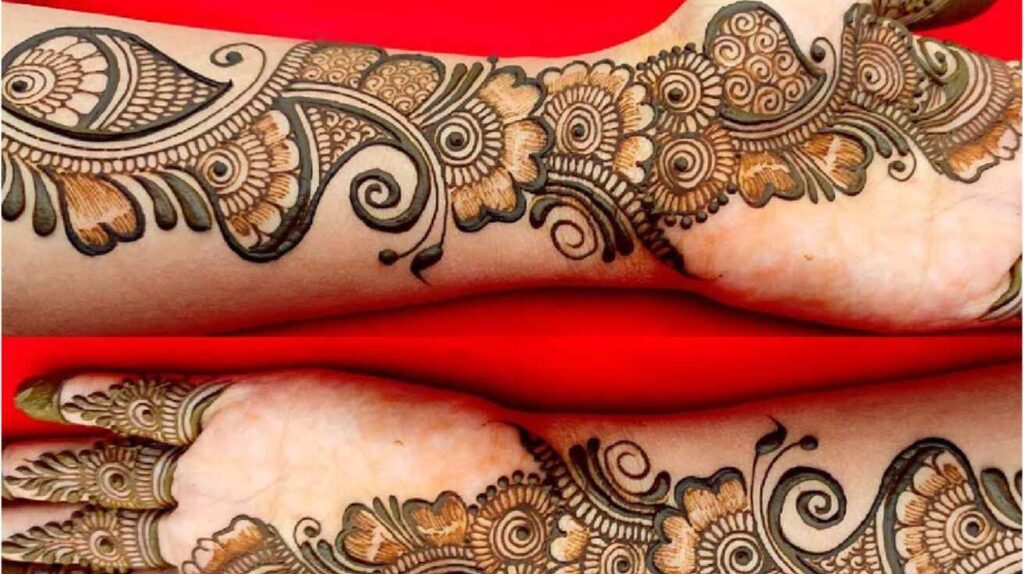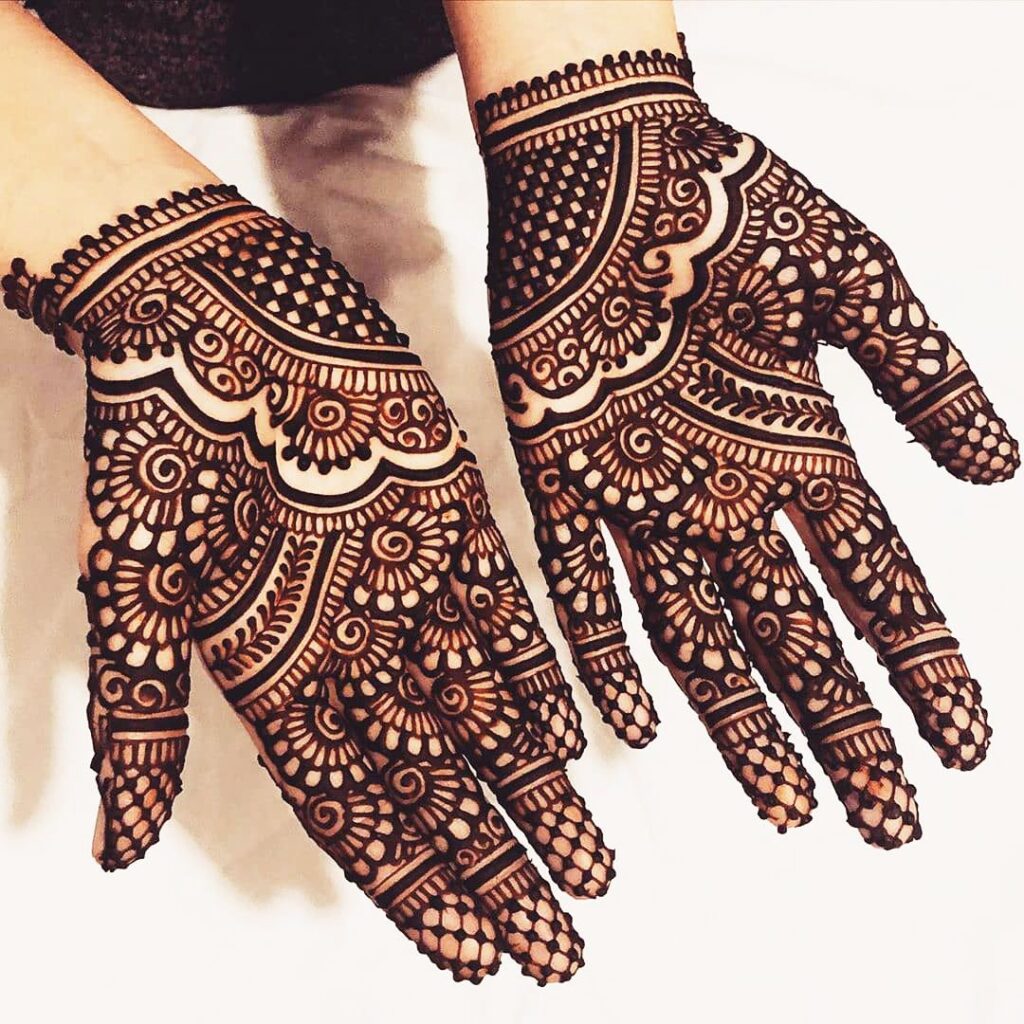
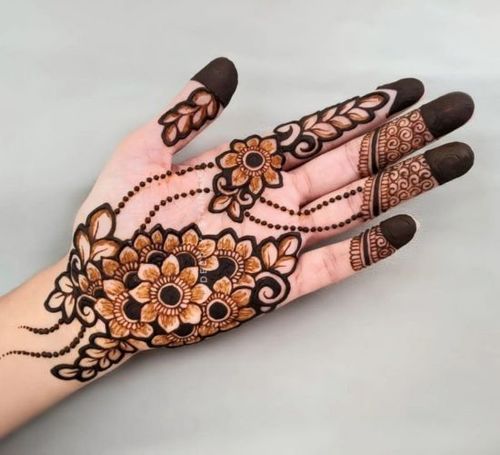
Arabic mehndi has become a favorite choice for women around the world who love elegant, bold, and expressive henna art. Unlike traditional Indian styles that cover the entire hand with intricate details, Easy Arabic Mehndi Designs focus on open spaces, flowing patterns, and beautiful bold lines that create stunning visual impact. Whether you’re attending a wedding, celebrating a festival, or simply want to add some beauty to your everyday look, these designs offer the perfect blend of simplicity and sophistication.
What Makes Arabic Mehndi So Special?
Arabic mehndi stands out because of its distinctive features that make it both beautiful and beginner-friendly. The style emphasizes large floral motifs, curved lines, and geometric patterns that flow naturally across the hand or foot. Unlike dense patterns, arabic mehndi patterns use plenty of negative space, which means less time applying and easier designs to master.
The beauty of this style lies in its versatility. You can create a complete look with just a few bold strokes, or you can add layers of detail for more elaborate occasions. The open design also allows the henna to dry faster, making it practical for busy schedules.
Why Easy Arabic Mehndi Designs Suit Every Occasion
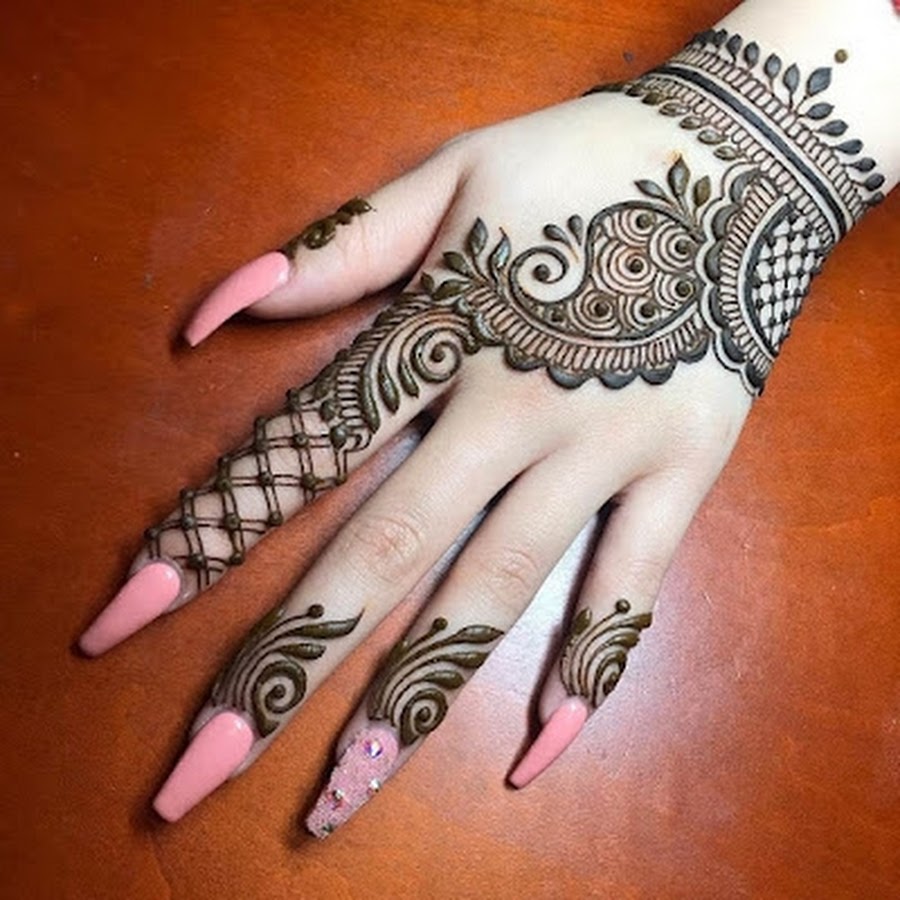
One of the biggest advantages of Easy Arabic Mehndi Designs is their adaptability. For casual gatherings or daily wear, you can choose minimal designs that add a touch of elegance without being overwhelming. During festive seasons like Eid, Diwali, or holiday celebrations, you can opt for slightly more elaborate patterns that still maintain that characteristic Arabic simplicity.
Weddings and formal events call for more detailed applications, and gulf style mehndi provides the perfect solution. These designs combine traditional elements with modern touches, creating a sophisticated look that photographs beautifully. The bold outlines and flowing trails make your hands look graceful and well-decorated without appearing too busy.
Simple Designs Perfect for Beginners
If you’re new to applying henna, Easy Arabic Mehndi Designs are your best starting point. Begin with simple arabic henna ideas that focus on basic elements like leaves, petals, and curved lines. A popular beginner design features a single large flower on the back of the hand with vine-like extensions reaching toward the fingers.
Minimal Arabic Mehndi works wonderfully for those who prefer understated beauty. Try creating a simple bracelet pattern around the wrist, or place a small floral cluster on the palm with delicate tendrils extending outward. These designs take less than 30 minutes to apply and still deliver impressive results.
For practice, start with half-hand arabic mehndi that covers just the palm or focuses only on fingers. This approach helps you build confidence with the cone and understand how henna flows before attempting full-hand coverage.
Beautiful Floral and Trail Patterns
Arabic Floral Patterns form the heart of this mehndi style. Large roses, lotuses, and abstract flowers create focal points that draw the eye and add drama to your design. Combine these flowers with leaves, dots, and swirls to create movement and balance. The key is keeping some areas open so the individual elements can shine.
Trail Mehndi Style involves creating flowing designs that travel from the wrist up the arm or from the hand down to the fingers. Arabic trail mehndi typically features connected floral motifs linked by curved vines or geometric patterns. This style works beautifully for formal occasions and creates an elongated, elegant appearance.
For modern arabic henna designs, consider mixing traditional flowers with contemporary geometric shapes like triangles, hexagons, or diamond patterns. This fusion creates fresh looks while maintaining the classic Arabic aesthetic.
Step-by-Step Easy Styles You Can Try
Bold Outline Style is perhaps the most recognizable feature of Easy Arabic Mehndi Designs. Start by drawing thick outer lines that define your main shapes—flowers, leaves, or paisley motifs. Fill these outlines partially or leave them empty for maximum contrast against the skin. Add small details like dots, tiny leaves, or thin lines inside the bold outlines to create depth.
For a quick party design, try this simple approach: Draw a large flower in the center of your palm. Create four to five thick petals radiating outward. Add smaller flowers near your thumb and little finger. Connect everything with curved lines that flow naturally. Fill empty spaces with dots or small leaf shapes.
Another easy option for beginners involves creating a diagonal pattern. Start from your wrist and draw a thick curved line toward your middle finger. Add flowers along this line, decreasing in size as you move upward. Finish with small details like dots and short lines around the main trail.
Bridal Arabic Inspiration and Special Occasions
Bridal Arabic Designs take the fundamental elements of simple patterns and expand them into more elaborate compositions. Arabic bridal mehndi combines dense floral clusters with bold outlines and intricate fillings, covering more surface area while still maintaining those characteristic open spaces.
For brides, consider designs that extend from fingertips to elbows, featuring peacock motifs, mandala-inspired circles, and layered flowers. The beauty of floral arabic mehndi shines especially in bridal applications, where large roses and lotus flowers become centerpieces surrounded by delicate vines and geometric accents.
Easy Arabic Mehndi Designs for weddings don’t always mean simple—they mean well-balanced and thoughtfully composed. Even complex bridal patterns follow the Arabic principle of creating clear, distinct elements rather than filling every millimeter with detail.
Learning from Professional Mehndi Artists
While Easy Arabic Mehndi Designs are designed for simplicity, working with or learning from a professional mehndi artist can significantly improve your results. Experienced artists understand the principles of symmetry, proportion, and flow that make Arabic designs look polished and professional. They can demonstrate proper cone handling, pressure control, and techniques for creating consistent line thickness—skills that take time to develop independently.
A skilled artist also knows how to prepare quality henna paste that delivers rich, dark stains lasting seven to ten days. They understand which patterns complement different hand shapes and can suggest designs that suit specific occasions. For arabic mehndi for beginners, watching an expert work provides invaluable insights into timing, placement, and troubleshooting common mistakes. Their guidance helps you avoid uneven lines, smudging, or designs that look incomplete, allowing you to progress faster in your mehndi journey.
Tips for Perfect Application and Long-Lasting Color
Achieving beautiful Easy Arabic Mehndi Designs goes beyond just the pattern—proper application and aftercare matter significantly. Before applying henna, clean your hands thoroughly and avoid using oils or lotions. This helps the paste adhere better and penetrate the skin effectively.
Once you’ve applied your design, let the henna dry completely before wrapping or covering it. Most experts recommend keeping the paste on for at least four to six hours, though overnight application produces the darkest results. After removing the dried paste, avoid washing with water for twelve hours. Instead, dab the area gently with lemon juice and sugar mixture to help seal the color.
The stain continues darkening for 24 to 48 hours after paste removal, so don’t worry if it looks orange initially. Protect your design from excessive water exposure during the first few days to maintain vibrant color longer.
Frequently Asked Questions
Q: How long does Arabic mehndi take to dry?
A: Usually takes two to three hours to dry completely.
Q: Which occasions suit Easy Arabic Mehndi Designs best?
A: Perfect for weddings, festivals, parties, and casual events too.
Q: Can beginners create Arabic mehndi without help?
A: Yes, with practice and simple patterns to start learning.
Q: How dark does Arabic henna stain get?
A: Typically develops into deep brown or reddish-brown color naturally.
Q: What’s the difference between Arabic and Indian mehndi?
A: Arabic uses bold outlines and open spaces; Indian features dense coverage.

Hi, I’m Elizabeth Carter , the writer and creator behind Fashion Story Lane.
I launched Fashion Story Lane in 2025 as a dedicated space for women who love authentic, practical fashion and beauty advice rooted in real experience.
I have been writing about fashion and beauty for over 30 years. In that time, I have personally tested hundreds of skincare products, practiced Arabic and bridal mehndi on real clients, and reviewed fashion trends across South Asian and Western styles. Everything I publish on this site is something I have either tried myself or researched thoroughly before recommending.
When it comes to skincare, I always cross-check my advice with dermatologist guidelines because I believe your skin deserves accurate information , not just popular opinions. For mehndi, I draw from 10+ years of hands-on practice with different henna cones, designs, and techniques.
I am not a doctor or a certified dermatologist. But I am someone who has spent years learning, testing, and writing about these topics , and I always tell you what I genuinely believe, not what sounds good.
If you have a question about any article on this site, you can reach me through the contact page. I read every message personally.
Elizabeth