

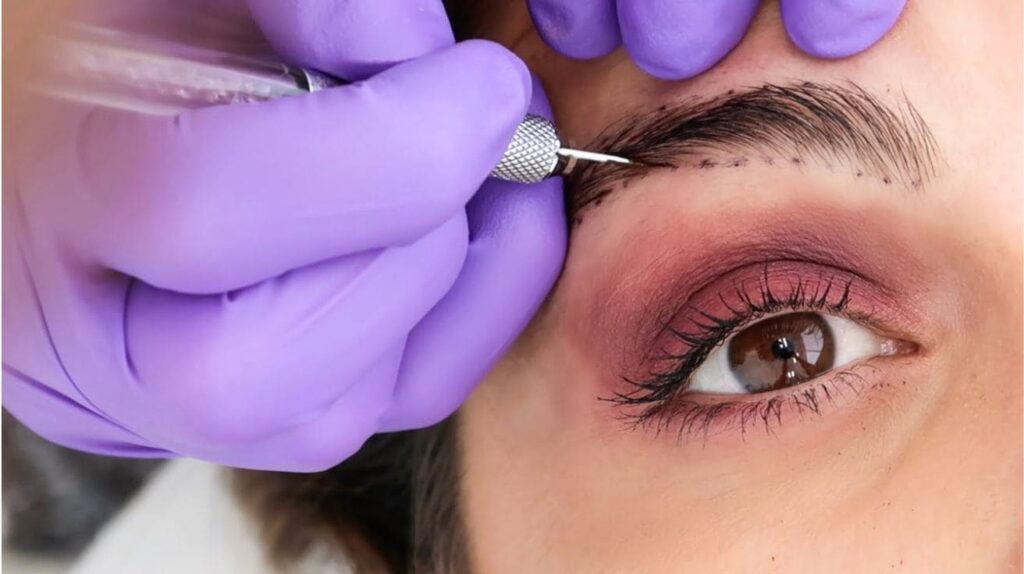
Microblading typically lasts between 12 to 18 months. The duration depends on factors like your skin type, lifestyle, aftercare, and the quality of the pigments used. Regular touch-ups are recommended to maintain the shape and color.
What Exactly Is Microblading?
What Is Microblading?
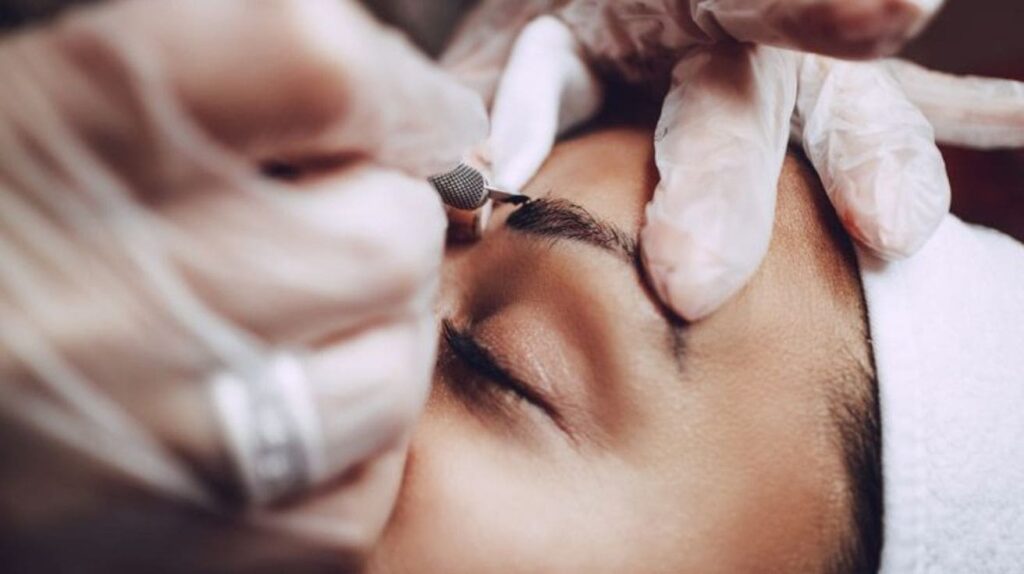
Microblading is a semi-permanent makeup technique that gives you fuller, more defined eyebrows. A tiny blade is used to deposit pigment into the skin in fine, hair-like strokes that mimic your natural brow hairs. It’s a great option for anyone who wants to wake up with perfect brows every day!
Why Should You Care About How Long It Lasts?
If you’re thinking about getting microblading, you’re probably curious about how long it’ll stay looking great. Knowing the average lifespan of microblading will help you plan for future touch-ups and manage your expectations.
How Long Does Microblading Really Last?
The General Timeline: 12–18 Months
For most people, microblading lasts anywhere from 12 to 18 months. Of course, this can vary depending on your skin type, lifestyle, and aftercare. Some people might find it lasts a little longer, while others might need a touch-up sooner.
What Affects the Lifespan of Microblading?
- Skin Type: Oily skin tends to cause the pigment to fade faster. If you have dry skin, your brows might last longer since the pigment doesn’t get pushed out as quickly.
- Aftercare: How well you take care of your brows post-appointment plays a huge role. Following your artist’s aftercare instructions can make all the difference.
- Lifestyle Choices: Sun exposure, sweating, and the types of skincare products you use can all impact how long your microblading lasts.
- Artist and Pigment Quality: The quality of the pigment used and your artist’s technique also affect how long the results stick. High-quality products and good technique can help your brows stay fresh longer.
Why Does Microblading Fade Over Time?
Skin Turnover Process
Your skin naturally sheds and renews itself, which means the pigment eventually fades. That’s just the nature of semi-permanent makeup, it’s not meant to last forever.
Pigment Breakdown
Your body sees the pigment as a foreign substance and tries to break it down. This is part of the natural healing process and contributes to the fading of your brows over time.
Pigment Quality Matters
Some pigments are designed to last longer than others. The better the pigment, the longer it will stick around, so always choose a reputable artist who uses high-quality products.
How to Make Microblading Last Longer
Follow Aftercare Instructions to the Letter
After your session, you’ll want to be diligent about the aftercare. Avoid activities like sweating, touching your brows, and sunbathing while they’re healing. The more care you give them, the longer they’ll last.
Keep Your Brows Moisturized
Hydration is key! Applying a healing ointment or moisturizer can help your brows heal well and keep the pigment locked in place.
Sunscreen is Your Best Friend
Sun exposure can speed up fading, so make sure to apply sunscreen to your brows every time you go outside. This helps protect the pigment from the sun’s UV rays and keeps your brows looking sharp.
Watch Your Skincare
Stay away from harsh exfoliating products like glycolic acid and retinoids around your brows. These can break down the pigment faster. Also, avoid any scrubbing or peeling, as it could damage the pigment and cause uneven fading.
What Happens If Microblading Fades Unevenly?
Uneven Fading Happens
Sometimes, microblading may fade unevenly, especially if your skin has areas that heal differently. This could be due to factors like skin texture, oil production, or how the pigment was applied in certain spots. It’s totally normal!
How to Fix Uneven Fading
| Issue | Solution | When to Schedule |
|---|---|---|
| Uneven Fading | Schedule a touch-up | 6 weeks to 3 months after your first appointment |
| Minor Fading | Artist adjusts and restores balance | During your touch-up appointment |
Microblading vs. Other Brow Techniques
Microblading vs. Ombre Powder Brows
If you like the idea of full brows with a softer, powdered look, ombre powder brows might be a great alternative. They’re a little different from microblading and tend to last longer because they use a shading technique rather than individual strokes. While microblading gives a more natural look, ombre brows are perfect for those who want something a bit bolder.
Microblading vs. Nano Brows
Nano brows use a finer needle than microblading, which allows for more detailed strokes. If you have oily skin or want something even more precise, nano brows might be the way to go. They tend to last a bit longer because they’re designed for better retention in tricky skin types.
Microblading vs. Brow Tattoos
Brow tattoos are permanent, while microblading is semi-permanent and requires touch-ups. If you want something more long-term, a brow tattoo is an option—but it doesn’t have the natural look that microblading provides. Microblading is the best option if you want defined, natural-looking brows without the permanence of a tattoo.
Frequently Asked Questions
How long until I can see the final results of microblading?
You’ll see your brows starting to heal within the first few days, but it can take up to a few weeks for the final result to really settle. The brows might look a bit darker right after the session but will soften over time.
Does oily skin affect how long microblading lasts?
Yes, oily skin can cause the pigment to fade more quickly. If you have oily skin, consider discussing other options like nano brows, which tend to last longer on oily skin.
How often should I get a microblading touch-up?
Typically, you’ll need a touch-up every 12–18 months, depending on your skin type, lifestyle, and how well you take care of your brows.
Is microblading permanent?
No, microblading is semi-permanent. The pigment will fade over time, and you’ll need touch-ups to keep your brows looking fresh.
How do I know when it’s time for a touch-up?
If your brows are starting to look uneven, faded, or less defined, it’s time to book a touch-up appointment.
Final Thoughts
Microblading typically lasts around 12 to 18 months, the duration really depends on your skin type, lifestyle, and how well you care for your brows. With proper aftercare, you can extend the life of your brows and keep them looking great. If you notice any fading, a simple touch-up can get them back to perfect shape.