
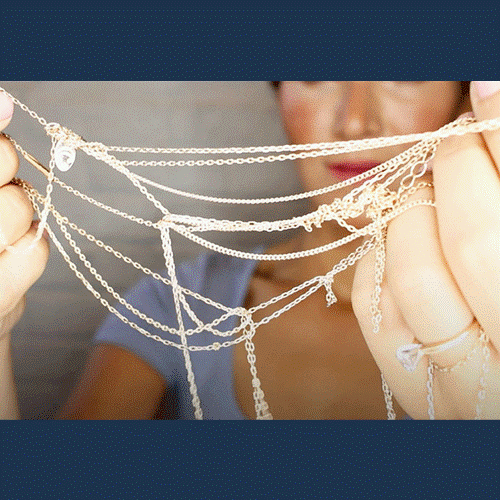
To untangle a necklace, lay it flat on a surface, apply a small amount of oil or baby powder, and gently use a pin or needle to loosen the knots. Work slowly to avoid damaging the chain.
Tangled necklaces are common, but simple techniques can fix them quickly without damage. Finding your favorite necklace in a twisted mess can feel frustrating. The delicate chains seem impossible to separate, and you might worry about breaking them.
The good news is that learning how to untangle a necklace doesn’t require professional help or special skills. With a little patience and the right approach, you can fix those knots at home without damaging your jewelry.
Why Necklaces Get Tangled in the First Place
Understanding why tangling happens can help you prevent it later. Necklaces tangle when they’re stored loosely in jewelry boxes or travel bags. The chains move around, creating loops that tighten into knots. Fine chains with small links are especially prone to this because they’re flexible and lightweight. When multiple necklaces sit together in one space, they wrap around each other like puzzle pieces that don’t want to separate.
Movement causes the problem. Whether you’re traveling with jewelry in a pouch or simply keeping necklaces in a drawer, any motion creates opportunities for tangling. Delicate chains slide through their own loops, and before you know it, you have a stubborn knot that seems impossible to undo.
What NOT to Do When Your Necklace Is Knotted
Before we talk about solutions, let’s cover what makes things worse. Never pull the chain ends forcefully in opposite directions. This tightens the knot and can snap delicate links. Avoid using your nails to pick at tiny knots—you might scratch yourself or damage the metal finish.
Don’t work in poor lighting. You need to see those tiny loops clearly to understand where the chain is twisted. Also, resist the urge to rush. Impatience leads to broken chains and damaged clasps. Take a deep breath and give yourself time to work through the problem methodically.
Step-by-Step Guide: How to Untangle a Necklace
Now let’s get to the actual process. Follow these steps carefully, and you’ll have success.
Step 1: Find a Clean, Well-Lit Surface
Spread out a light-colored towel or cloth on a flat table. The contrast helps you see the chain clearly. Good lighting is essential—work near a window during daytime or use a bright desk lamp.
Step 2: Lay the Necklace Flat
Gently place your tangled necklace on the cloth. Don’t stretch it or pull it apart yet. Just let it sit naturally so you can see where the knots are located.
Step 3: Apply Lubricant
This is the secret trick for how to untangle a necklace easily. Put a small drop of baby oil, olive oil, or even hand lotion directly on the knot. The lubricant helps the chain links slide past each other instead of gripping tightly. Let it sit for about 30 seconds.
Step 4: Use Thin Tools to Loosen the Knot
Take two straight pins, sewing needles, or toothpicks. Insert the points into the center of the knot from opposite sides. Gently wiggle and pull the tools apart to create space inside the tangle. This loosens the loops without pulling the chain ends.
Step 5: Work Slowly and Patiently
Keep manipulating the knot with your tools. You’ll see small sections of chain begin to separate. Pull these loops gently outward as they loosen. Don’t yank—just guide them free bit by bit.
Step 6: Clean Off the Lubricant
Once the chain is free, wipe it gently with a soft cloth to remove any oil residue. You can also rinse it with mild soap and warm water, then pat it completely dry.
Tools You Can Use at Home
Using household items like oil or powder helps loosen tight knots effortlessly. You don’t need fancy equipment. Here’s a helpful comparison of common household items:
Choose tools based on your chain thickness. If your chain is delicate, stick with thinner implements like straight pins. For sturdier necklaces, toothpicks work perfectly fine.
Hacks for Stubborn Knots That Won’t Budge
Patience and gentle handling are key to untangling delicate chains safely. Sometimes you’ll encounter a knot that resists your first attempts. Here’s when learning how to untangle a necklace requires extra techniques.
Try placing the necklace on a hard surface like a glass cutting board. The slippery surface provides less friction, making it easier to manipulate chains. If your necklace has a pendant, remove it first if possible. The weight can pull on knots and make them tighter.
For extremely tight tangles, add more lubricant and let the necklace sit for a few minutes. The oil needs time to work between those microscopic spaces in the links. If you’re working with multiple tangled necklaces, separate them first before addressing individual knots.
Safety and Care While Untangling
Understanding how to untangle a necklace properly means protecting your jewelry throughout the process. Always use gentle pressure when working with chains. Metal might seem strong, but delicate links can bend or break under force. The jump rings that connect clasps are especially vulnerable.
Harsh pulling doesn’t just risk breaking chains—it can also stretch links out of shape, creating weak points that will fail later. When you use pins or needles, insert them carefully to avoid scratching the metal’s surface. Gold plating and silver finishes can get damaged by aggressive scraping.
Keep your work area clean and soft. Working over carpet or a towel prevents chains from falling onto hard floors where they could get damaged. If your necklace has gemstones, be extra cautious not to strike them with tools or drop them on hard surfaces.
How to Prevent Tangling in the Future
Proper storage can prevent future tangles and keep jewelry in perfect condition. Now that you know how to untangle a necklace, let’s make sure you don’t have to do it again. Prevention is always easier than fixing problems.
Store each necklace separately. Don’t pile them together in one jewelry box compartment. When necklaces touch, they tangle—it’s that simple. Before storing, always fasten the clasp. This creates a closed loop that’s less likely to wrap around other jewelry or itself.
For travel, use individual small bags or wrap each necklace in tissue paper. You can also thread chains through drinking straws and then fasten the clasp—this keeps them straight and protected.
Smart Storage Ideas That Actually Work
Proper storage makes a huge difference. Hang necklaces on hooks or a jewelry stand where they can dangle freely. The vertical storage prevents chains from touching each other. If you prefer drawer storage, use a jewelry organizer with individual compartments lined with soft fabric.
Another creative solution is using ice cube trays. Place one necklace per compartment, fasten the clasp, and you have instant organization. For people who travel frequently, consider rolling necklaces inside a soft jewelry travel case with built-in pouches.
If your necklace has a pendant, store it with the pendant hanging down naturally. This prevents the weight from creating kinks in the chain. Regular maintenance also helps—check your necklaces monthly for weak links or loose clasps before they become bigger problems.
FAQ Section
How long does it take to untangle a necklace?
Usually 5-15 minutes depending on knot severity.
Can I use water to help untangle chains?
Oil works better; water doesn’t provide enough lubrication.
Will oil damage my gold necklace?
No, just clean it off afterward with soap.
What if my chain breaks while untangling?
A jeweler can repair most broken chain links.
Should I untangle wet or dry necklaces?
Always work with dry chains for better visibility.

Hi, I’m Elizabeth Carter , the writer and creator behind Fashion Story Lane.
I launched Fashion Story Lane in 2025 as a dedicated space for women who love authentic, practical fashion and beauty advice rooted in real experience.
I have been writing about fashion and beauty for over 30 years. In that time, I have personally tested hundreds of skincare products, practiced Arabic and bridal mehndi on real clients, and reviewed fashion trends across South Asian and Western styles. Everything I publish on this site is something I have either tried myself or researched thoroughly before recommending.
When it comes to skincare, I always cross-check my advice with dermatologist guidelines because I believe your skin deserves accurate information , not just popular opinions. For mehndi, I draw from 10+ years of hands-on practice with different henna cones, designs, and techniques.
I am not a doctor or a certified dermatologist. But I am someone who has spent years learning, testing, and writing about these topics , and I always tell you what I genuinely believe, not what sounds good.
If you have a question about any article on this site, you can reach me through the contact page. I read every message personally.
Elizabeth