

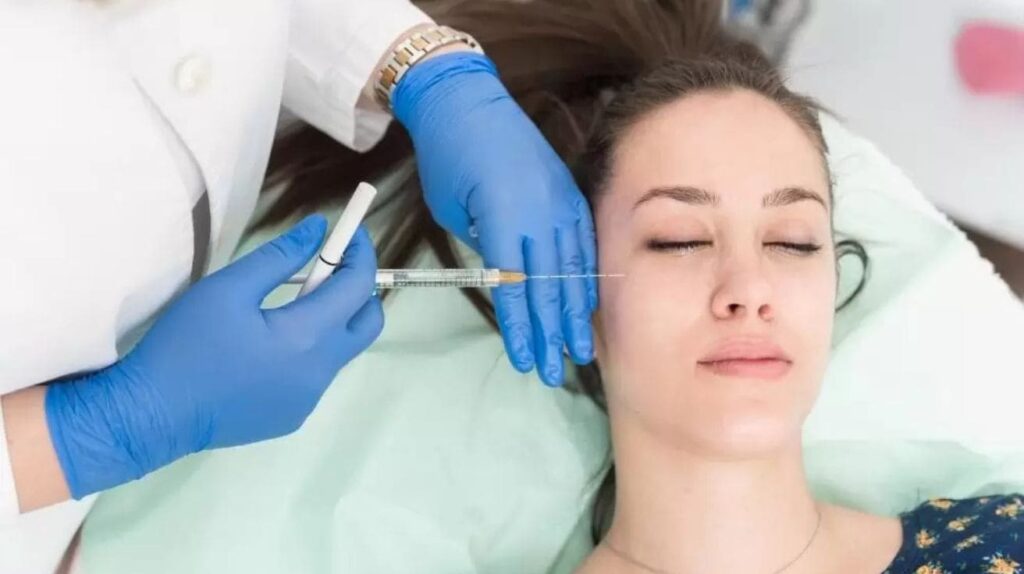
Dark circles, fine lines, and hollow under-eyes can make you look tired. PRP under eyes offers a natural way to refresh and rejuvenate the area.
The treatment uses platelet-rich plasma taken from your own blood. Because of that, it is often described as a regenerative treatment rather than a traditional cosmetic filler. PRP can improve skin quality in suitable patients, but it does not work the same way for every type of under-eye concern.
PRP for Under Eyes: What the Treatment Involves
PRP under eye treatment uses a part of your own blood called platelet-rich plasma. This plasma has platelets and growth factors that may help repair and refresh the skin.
During the treatment, the provider takes a small blood sample and places it in a machine called a centrifuge. The machine spins the blood and separates the platelet-rich plasma. After that, the provider injects the PRP under the eyes or applies it with microneedling.
This treatment may help improve thin skin, dullness, fine lines, and mild dark circles.
Skin Concerns PRP Can Help Treat Under the Eyes
PRP works best when the under-eye problem comes from poor skin quality, not deep facial structure.
It may help with:
- Dark circles caused by thin skin
- Fine lines
- Early signs of aging
- Crepey or dull-looking skin
- Mild under-eye hollowness
- Tired-looking eyes
- Uneven skin texture
PRP does not add volume like filler. It also cannot remove heavy eye bags or loose skin.
PRP for Dark Circles: Does It Really Work?
PRP for dark circles may help when the darkness comes from thin skin, weak skin texture, or visible blood vessels under the eyes.
When PRP improves skin quality, the under-eye area may look fresher and brighter over time.
But not all dark circles have the same cause. Some happen because of genetics, deep pigmentation, poor sleep, allergies, or shadows from hollow areas. In these cases, PRP alone may not give the result you want.
A proper consultation is important because one treatment does not work for every type of dark circle.
PRP for Under Eye Hollows
PRP for under eye hollows may help if the hollow look is mild and linked to thin or tired-looking skin.
But if the hollowness is deep, PRP will not lift the area like dermal filler. PRP improves skin quality. Filler adds volume.
Some people may need PRP only. Others may need filler, PRF, laser, skincare, or a combined treatment plan.
PRP vs Filler Under Eyes
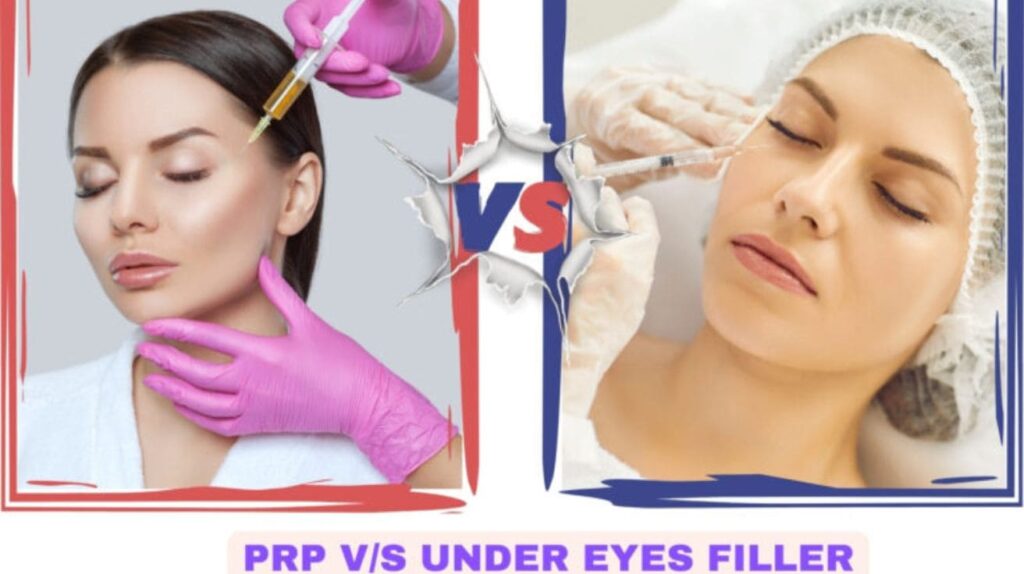
PRP and filler can both improve the under-eye area, but they work in different ways.
PRP is better for:
- Thin skin
- Fine lines
- Mild dark circles
- Dull skin texture
- Natural-looking skin improvement
Filler is better for:
- Deep tear troughs
- Volume loss
- Strong under-eye hollows
Filler can give quicker results, but the provider must place it carefully. Poor filler placement can cause puffiness, unevenness, or a bluish tint under the eyes.
PRP gives slower results, but many people prefer it because it uses the body’s own plasma and gives a softer result.
PRP vs PRF Under Eyes
Patients often compare PRP vs PRF under eyes. Both treatments come from your own blood, but they are not exactly the same.
PRP means platelet-rich plasma. PRF means platelet-rich fibrin.
PRF may release growth factors more slowly because it has a fibrin structure. Some providers use PRF when a patient needs longer skin support. PRP may be enough for mild dark circles, fine lines, and skin texture concerns.
The right choice depends on your skin, under-eye shape, and treatment goal.
PRP Under Eyes Before and After: What to Expect
People often search for PRP under eyes before and after photos because they want to know how much change to expect.
PRP results are not instant. The under-eye area may look fresher within a few weeks, but the best results usually appear after more than one session.
Most people need 2–3 sessions, spaced a few weeks apart.
Your results may depend on:
- Age
- Skin thickness
- Sleep routine
- Hydration
- Lifestyle
- Cause of dark circles
- Skin condition before treatment
PRP Under Eyes Cost
PRP under eyes cost depends on the clinic, location, provider’s experience, number of sessions, and whether the treatment includes microneedling, PRF, laser, or filler.
Do not choose the cheapest clinic without checking quality. The under-eye area is delicate. Safe technique matters.
A qualified provider should check your skin, explain your options, discuss possible risks, and recommend PRP only if it suits your condition.
PRP Under Eyes Side Effects
Common side effects may include:
- Mild swelling
- Bruising
- Redness
- Tenderness
- Temporary puffiness
- Small injection marks
- Mild discomfort
These effects usually settle within a few days.
Rare risks may include infection or irritation, especially if the provider does not follow proper hygiene and safety steps.
FAQs
How Many PRP Sessions Are Needed?
Most people need 2–3 PRP sessions for visible improvement. Some may need maintenance every 6–12 months. PRP may work well for mild dark circles and fine lines. But severe hollows, heavy pigmentation, or true eye bags may need filler, laser, skincare, or surgery.
How Long Does PRP Last Under Eyes?
PRP results may last several months, but they are not permanent. Maintenance sessions can help. Good skincare, sunscreen, enough sleep, hydration, and avoiding smoking may also help results last longer.
Can PRP Fix Eye Bags?
No, PRP cannot properly fix true eye bags. If eye bags come from fat pads, loose skin, or aging changes, PRP may improve skin quality but will not remove the bulge. Surgery, laser, or filler may work better for real eye bags.
Is PRP Good for Under Eyes?
PRP can be a good option for thin skin, mild dark circles, fine lines, and early aging around the eyes. It is not the best choice for deep hollows, heavy pigmentation, or large eye bags.
Is PRP Under Eyes Painful?
PRP under-eye treatment is usually mildly uncomfortable, not very painful. The provider may apply numbing cream before treatment. You may feel light pinching, pressure, swelling, or bruising afterward.
Who Should Avoid PRP?
People with active skin infections, blood disorders, severe anemia, platelet problems, or uncontrolled health conditions should avoid PRP unless a doctor says it is safe. Pregnant or breastfeeding patients should also speak with a qualified provider first.